
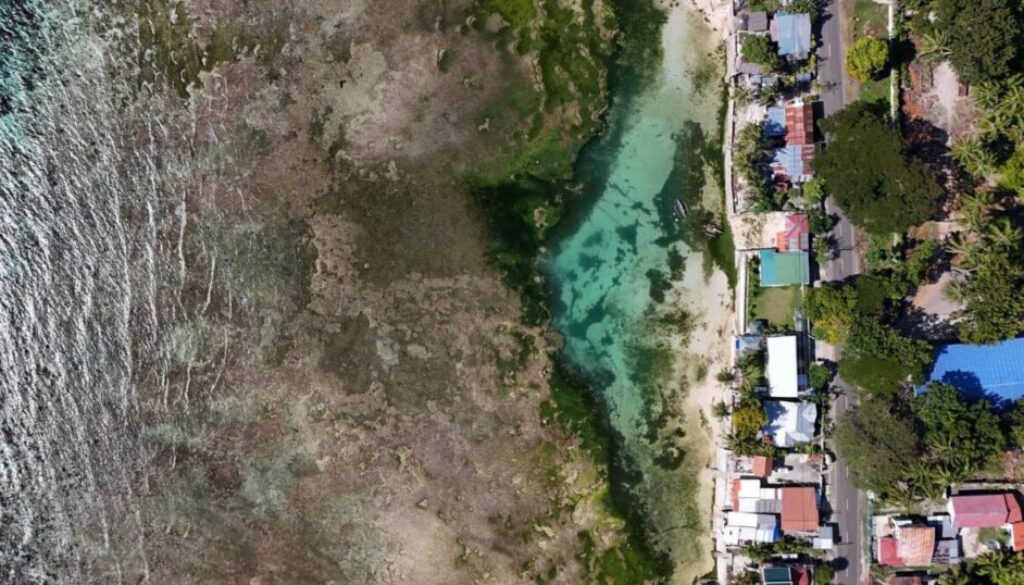
Bali Travel Report — Ubud, Rice Terraces & Temples
Bali Travel Report — Ubud, Rice Terraces & Temples
There are places that stay in your heart forever. Bali is one of them. When I first arrived, I knew immediately: this place has something special about it. The atmosphere, the colors, the people—everything felt right. In this travelogue, I share my personal experiences, the best spots for photos, culinary discoveries, and practical tips for your own trip.
What impressed me most about Bali? The diversity. Whether you're a beach lover, enjoy hiking, want to discover culture, or simply want to savor the local cuisine—you'll find it all here. And the best part: Bali isn't as overrun as many other popular travel destinations. Here you'll still find genuine authenticity, real encounters, and moments that aren't staged for Instagram.
My route and first impressions
I had about ten days in total and tried to put together a good mix of sightseeing, relaxation, and culinary experiences. The first impression was overwhelming—the landscape, the architecture, the friendliness of the locals. On the very first evening, I sat in a small local restaurant, sampled the regional specialties, and knew: This trip was going to be special.
Getting there was straightforward. I flew from Germany, which costs between €150 and €400 depending on the season. From the airport, I rented a car—for me, the best way to really get to know a region. With your own car, you're flexible, can stop spontaneously when you discover a beautiful spot, and can also reach the hidden places off the beaten track.
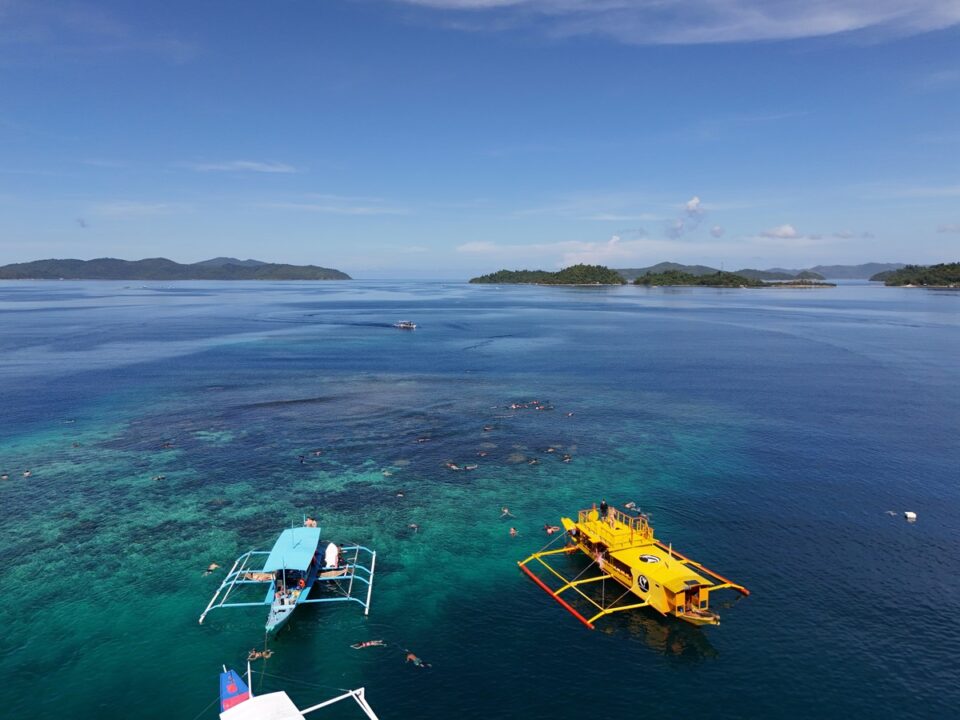
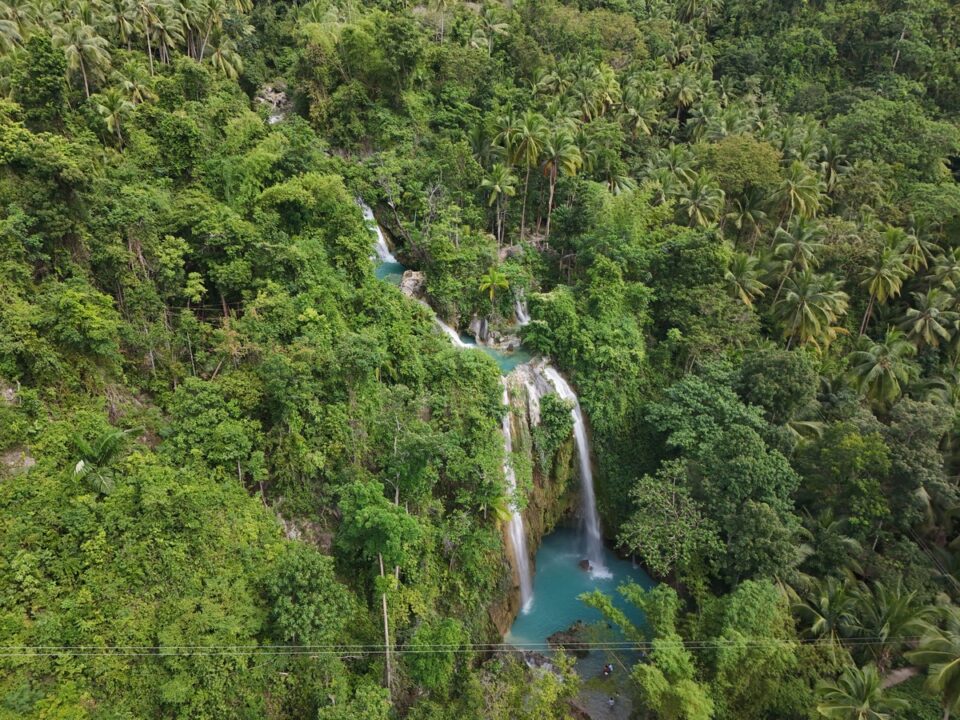
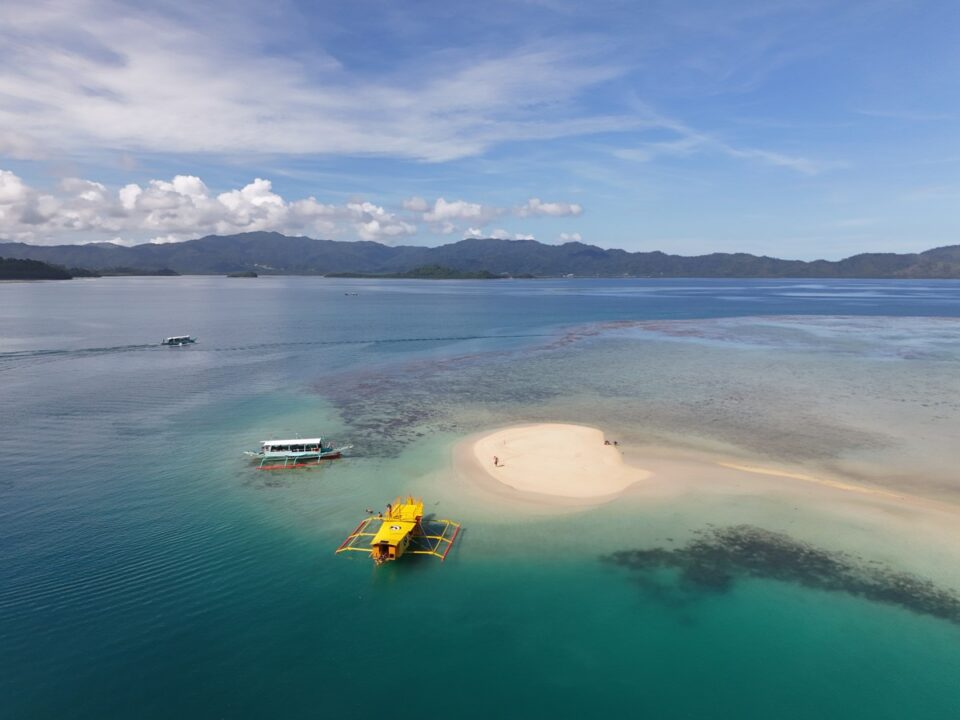
The highlights — what you absolutely mustn't miss
Culinary discoveries
For me, food is the fastest way to understand a culture, and Bali absolutely won me over with its culinary offerings. The local cuisine is a blend of traditional recipes and modern influences. My personal highlight was a small family restaurant I only found through a local recommendation—no Google listing, no Instagram profile, just fantastic food and hospitality that deeply touched me.
My tip: Always ask the locals about their favorite restaurants. The best spots are rarely in guidebooks. And dare to try things you don't know—I've always had the biggest culinary surprises when I simply pointed to what the person at the next table was eating.
The most beautiful photo spots
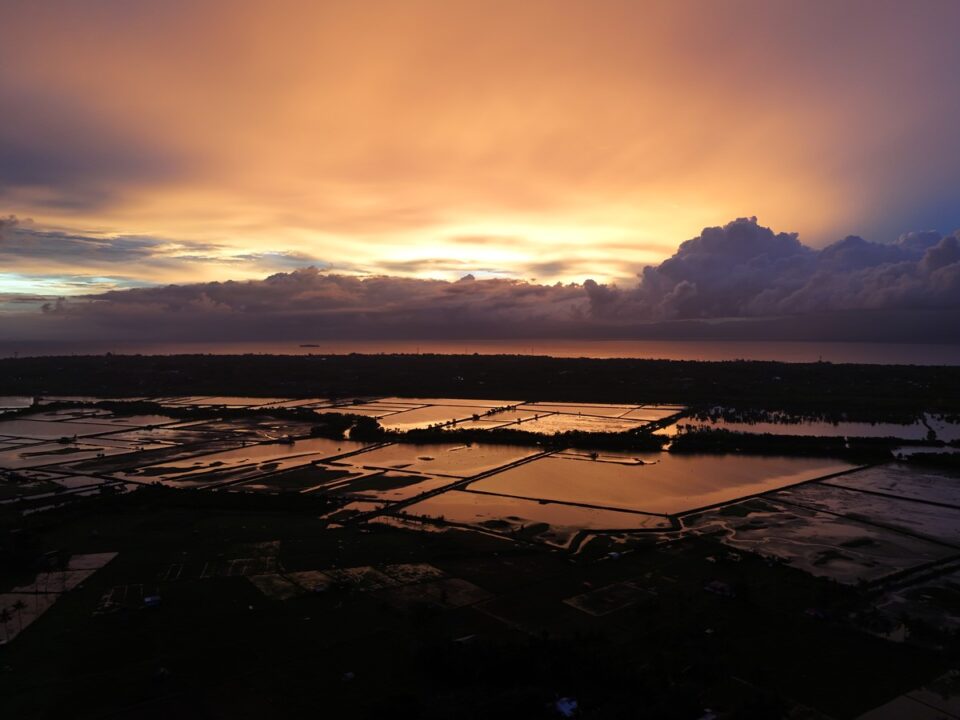
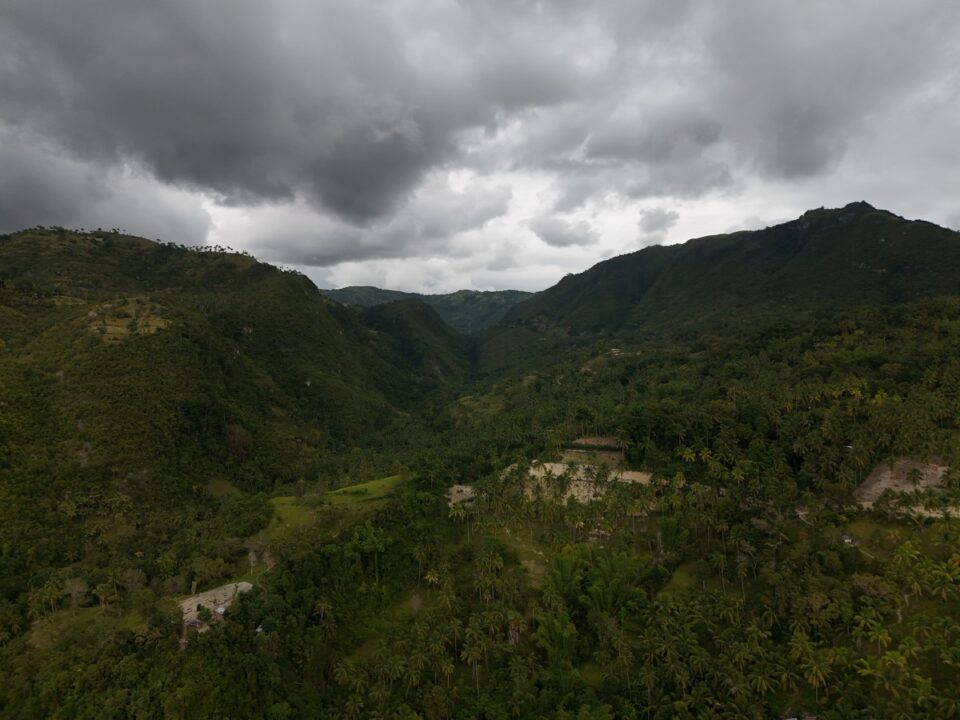
As a visual storyteller, finding the most beautiful locations for photos is naturally important to me. Bali has plenty of them. Especially in the mornings, when the light is golden and soft and the tourist crowds are still having breakfast in their hotels, you'll find the most magical moments. My setup: I mainly photograph with my smartphone and a compact camera. For special moments, I also have my drone with me—the aerial perspective reveals landscapes in a way that's impossible to see with the naked eye.
The best tip for travel photography: Wake up early. The hour after sunrise and the hour before sunset provide the most beautiful light. And no crowds of people in the picture. Win-win.
Practical tips for your trip
Best time to travel
The best time to travel depends on what you want to experience. Generally, I recommend the off-season—fewer tourists, lower prices, and often more pleasant weather than in the height of summer. Check local holidays and festivals in advance—sometimes that's the best time to travel, sometimes the worst (everything is booked up and expensive).
Accommodation
I used a mix of hotels and Airbnbs. In cities, I prefer mid-range boutique hotels (50-100 euros per night), while in rural areas I tend to use Airbnbs or local guesthouses. My tip: Book at least the first night in advance; for the rest, you can be spontaneous and move on depending on how you feel.
transport
Renting a car is my preferred way to travel—flexibility and freedom are more important to me than convenience. Prices vary between €20 and €50 per day, depending on the season. For city visits, public transport or taxis are sufficient (many countries have affordable ride-hailing apps).
Costs — How much does a trip cost?
| Position | Cost per day |
|---|---|
| Accommodation (mid-range) | 50-100 € |
| Food (restaurant + market) | 20-40 € |
| Transport (rental car) | 20-40 € |
| Activities | 10-30 € |
| Total per day | 100-210 € |
These costs are guidelines and can vary greatly depending on your travel style. Budget travelers can get by on €50-80 per day, while luxury travelers can spend €300+. My sweet spot is around €120-150 per day—comfortable, but not extravagant.
FAQ
How much budget should I allocate?
That depends heavily on your travel style. Budget travelers often need €50-80 per day, mid-range travelers €100-150, and luxury travelers €200+. My tip: Budget more than you think you'll need—unexpected expenses always come up.
Is this also feasible for solo travelers?
Absolutely. I often travel alone and feel comfortable and safe doing so. My top tips: Share your travel plans with family or friends, use tried-and-tested accommodations (check Booking.com reviews), and trust your gut. If something doesn't feel right, move on.
What should I pack?
Less than you think. My rule of thumb: Pack everything, then put half of it back. Essentials: comfortable shoes, rain jacket, sunscreen, charging cables, first-aid kit. You can buy everything else cheaper at your destination.
How do I find the best restaurants and spots?
Google Maps reviews are a good starting point, but the real insider tips come from locals. Ask at the hotel, the café, the shop—most people are happy to share their favorite spots. Instagram geotags are also helpful, but be warned: what looks great on Instagram can sometimes be disappointing in reality.
About the author: Janet Dannehl is one of Germany's most influential travel influencers with over 2.3 million followers. She specializes in lifestyle, culinary topics, and visual stories from her travels. Cooperation requests here.


 EN
EN DE
DE