
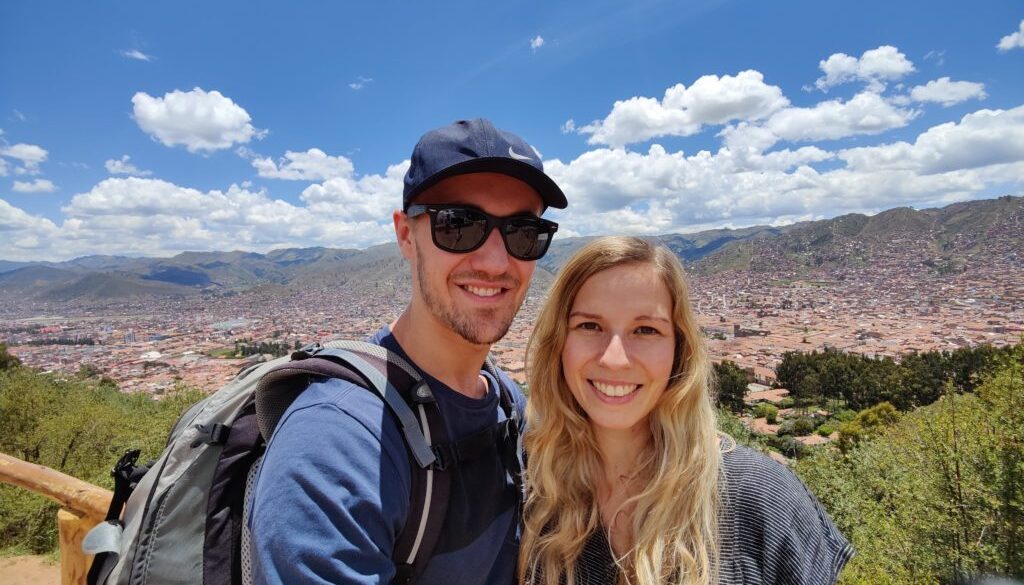
Peru Travel Tips: Costs, Route & Practical Info
- 1 Euro This corresponds to approximately 4.5 Sol
- Chaufa 1–2 Euros, soups 2–3 Euros, burger meal 3 Euros, meat dishes 4 Euros
- Tip: Locals appreciate 1-2 soles (about 30 cents).
- Toilet paper belongs in the trash can, not the toilet.
- When traveling, it's best to use Uber instead of taking a random taxi.
Contents of this post23 chapters
- 1The drinks
- 2The food
- 3The Weather
- 4People
- 5Nature
- 6Accommodations
- 7Sanitary Facilities
- 8Hygiene
- 9Altitude
- 10Safety
- 11The Police
- 12Currency
- 13Traffic
- 14Transportation Options
- 15Conclusion
- 16Peru route and travel time between Lima and Machu Picchu
- 17Peru travel tips for Cusco and the Sacred Valley
- 18Machu Picchu travel tips: Getting there and time window
- 19Rainbow Mountain from Cusco: Altitude and practical travel tips
- 20Peru Costs: Guidelines for Trip Planning
- 21Peru Altitude and Health around Cusco
- 22Relevant travel reports
- 23Frequently Asked Questions
The drinks
- National Drink: “Pisco Sour”made from grape brandy, egg white, lime juice, and a bit of sugar.
- Chicha MoradaMade from cinnamon, sugar, pineapple, purple corn, and clove.
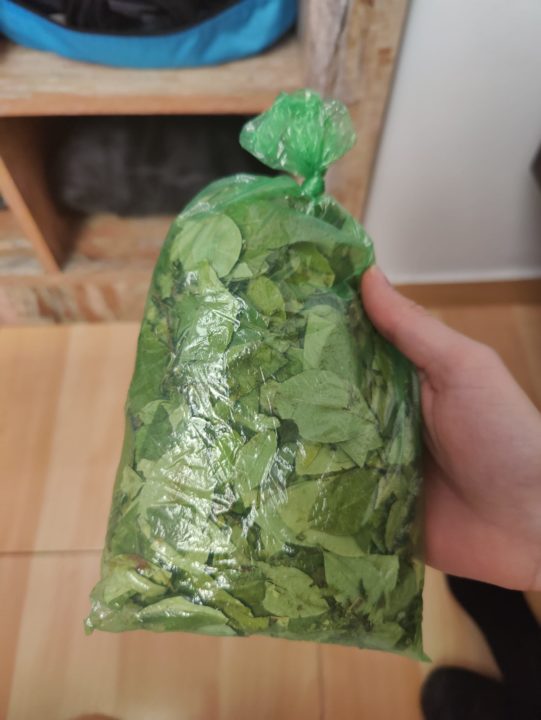
- Coca teaMade from coca leaves, similar to green tea.
- Inca KolaExtremely sweet with a bubblegum-like taste, similar to Mountain Dew.
- Freshly squeezed juicesAll kinds of fruit juices are available.
The food
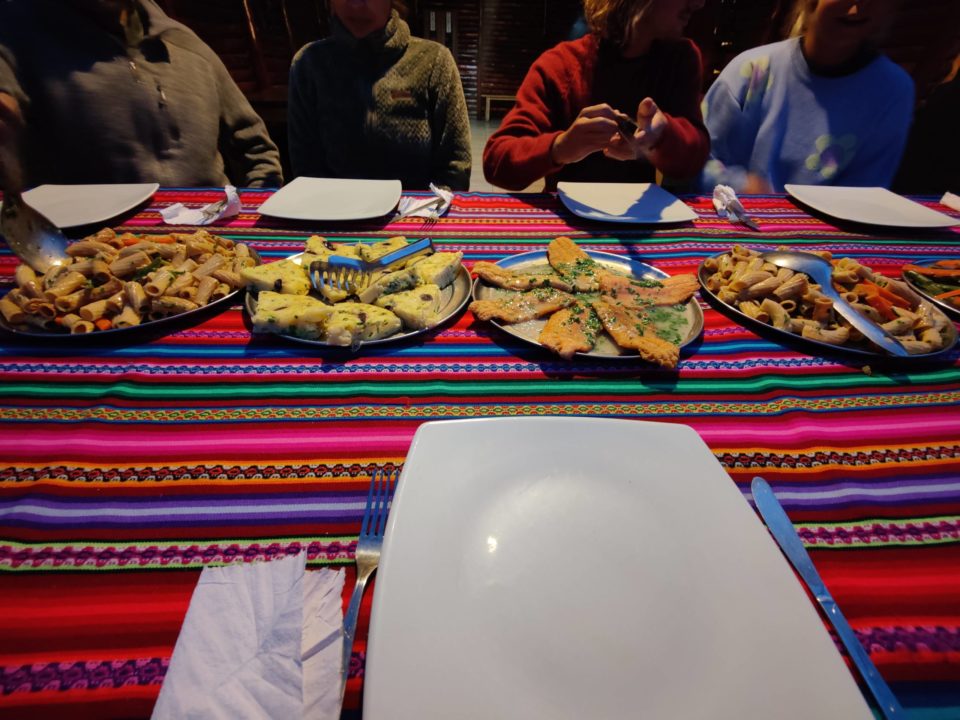
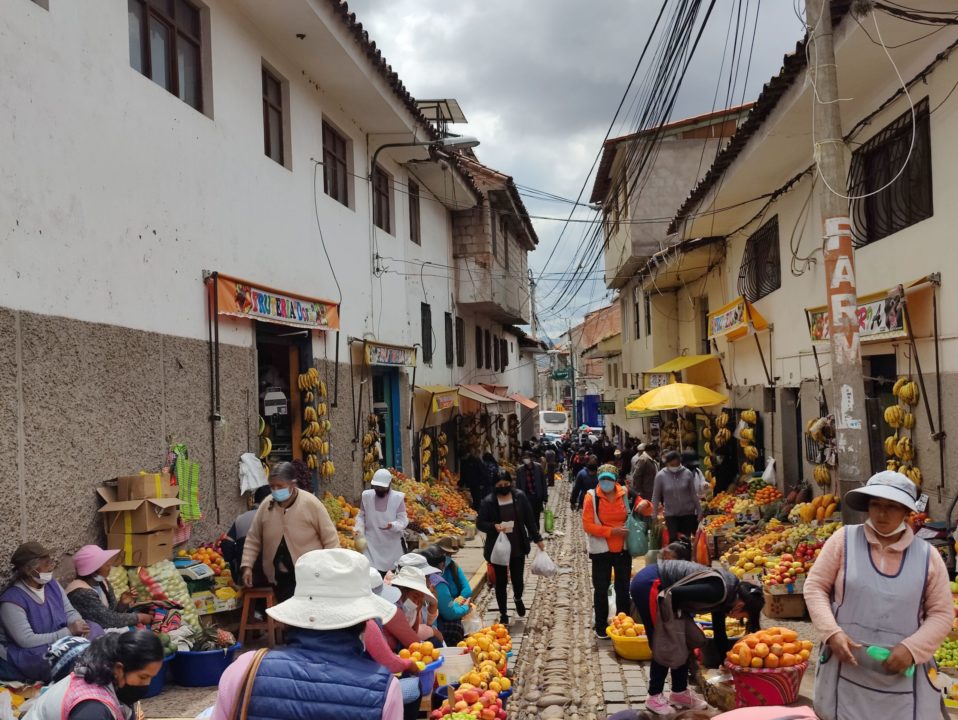
Local restaurants are abundant and cheap.
They are super cheap and tasty as well!
Prices approximately:
- 1-2 Euro for Chaufa (rice, vegetables, chicken, egg)
- 3 Euro for a burger menu with fries and a drink
- 2–3 euros for various soups
- 4 Euro for higher-quality meat dishes
The touristy restaurants are roughly twice-three times the cost.
- Try the national dish CevicheRaw fish with accompaniments.
- Enjoy a Crepe with fruits.A fruit dream!
- Churrossimilar to filled doughnuts.
- Dulce LecheTaste Dulce de Leche, similar to Nutella.
- Chaufa or Aeropuertoa rice dish with various vegetables, chicken, and egg.
- Arroz con Lechejust arroz con leche ^^
- SoupsThere are hundreds of soup variations.
- For the adventurous - Try Cuy!a type of guinea pig.
- Do you miss Germany?You'll find good pizza, pasta, potato dishes, burgers, and more.
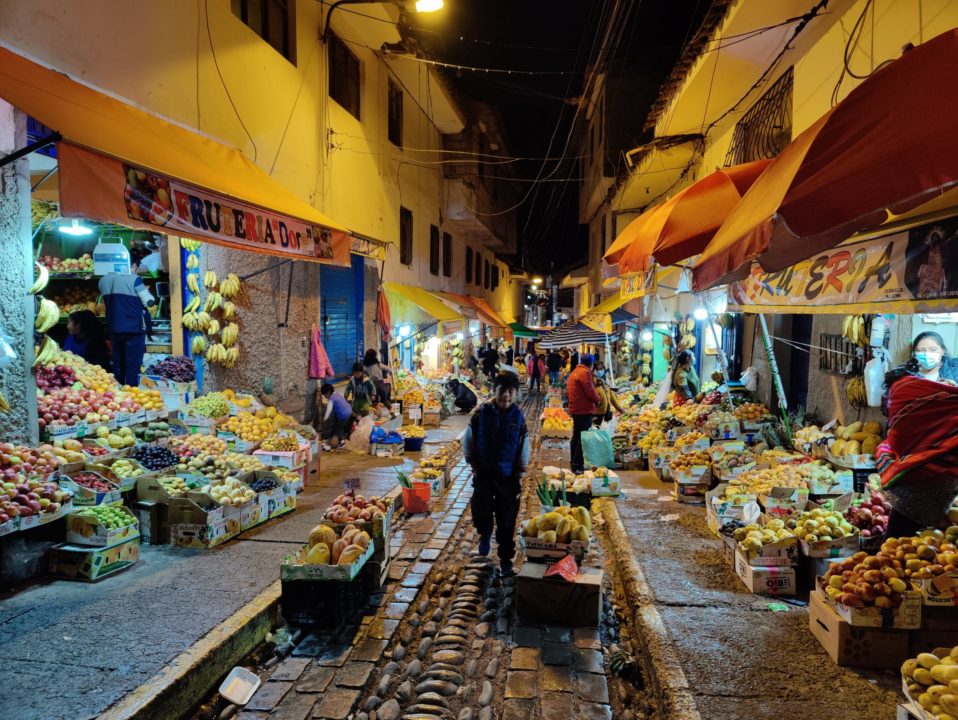
For the fruit lovers:
- Granadilla (Genus: Passion Fruit)
- Prickly Pear (Cactus Fruit)
- Chirimoya (Taste: Banana, Pineapple, Cinnamon)
- Yellow Pitahaya (Dragon Fruit)
- Watermelon
- Mango
Should I give tips?
Definitely! Locals appreciate even 1-2 Soles (30 cents).
The Weather
Naturally, the weather depends on the seasons. We were there during the rainy season in December, and apart from occasional 15-minute showers or a rainy night, there wasn't much to notice.
Also good to know:
Peruvians apparently don't like to heat places. Often, it's very cold in establishments, so you often see people sitting there with jackets.
People
- Incredibly friendly and helpful.
- They live very family-oriented lives and work long hours, even at a very old age.
- Many don't speak English, so knowing basic Spanish words is helpful.
Nature
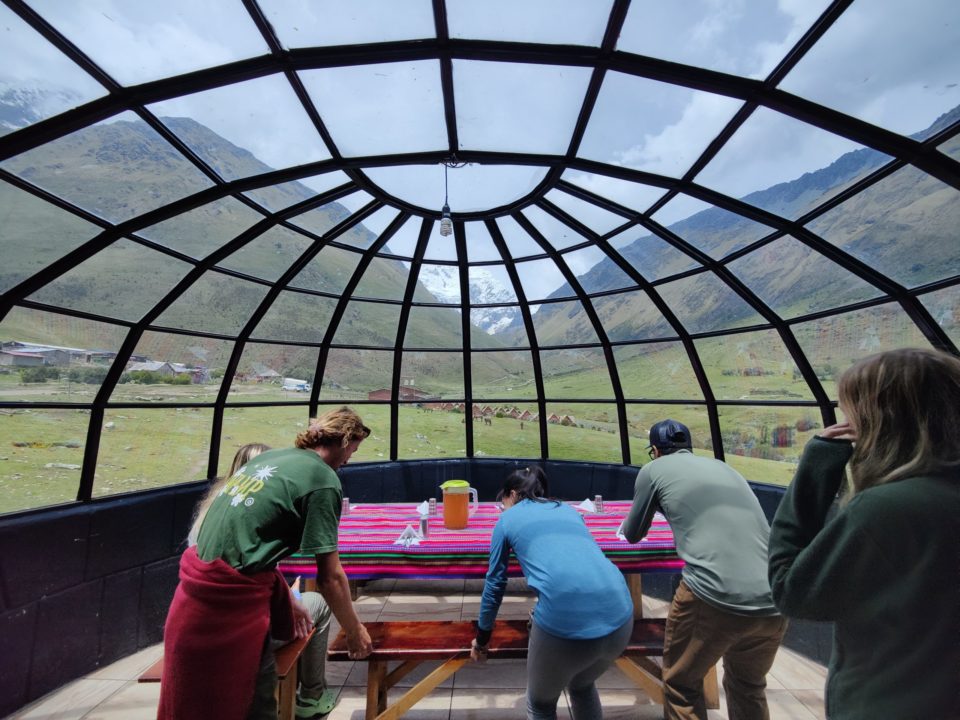
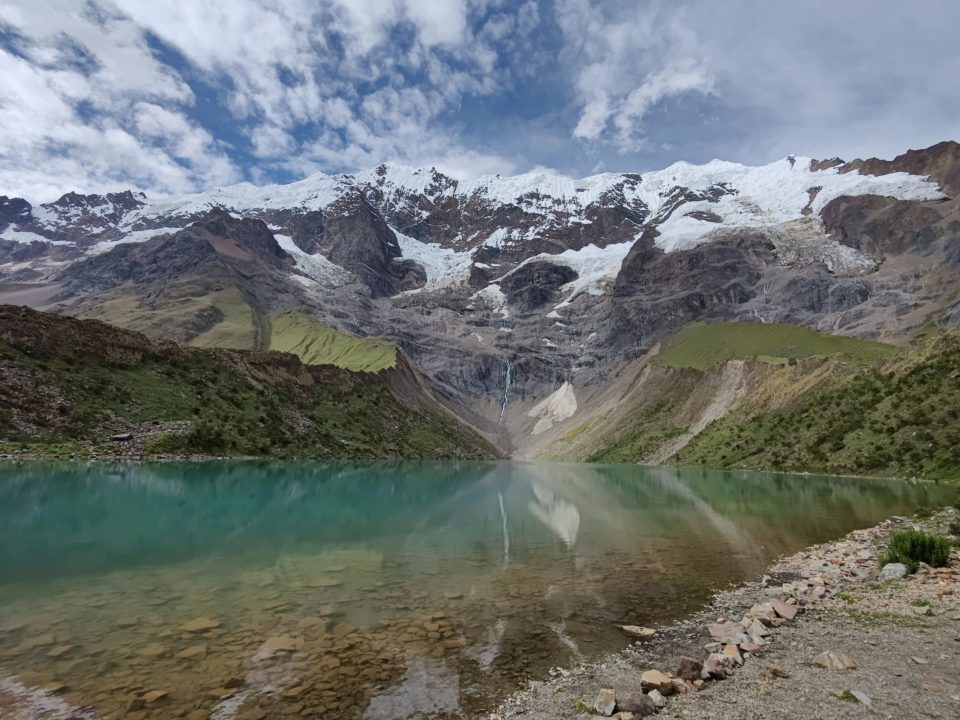
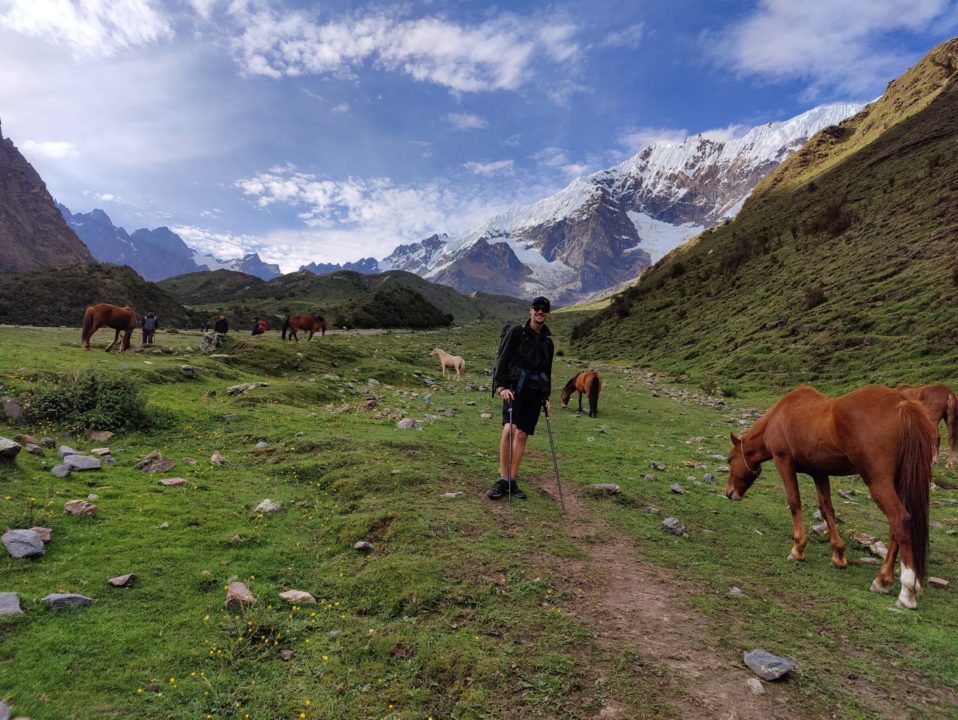
Breathtakingly diverse. Peru has so much to offer in terms of natural beauty.
Accommodations
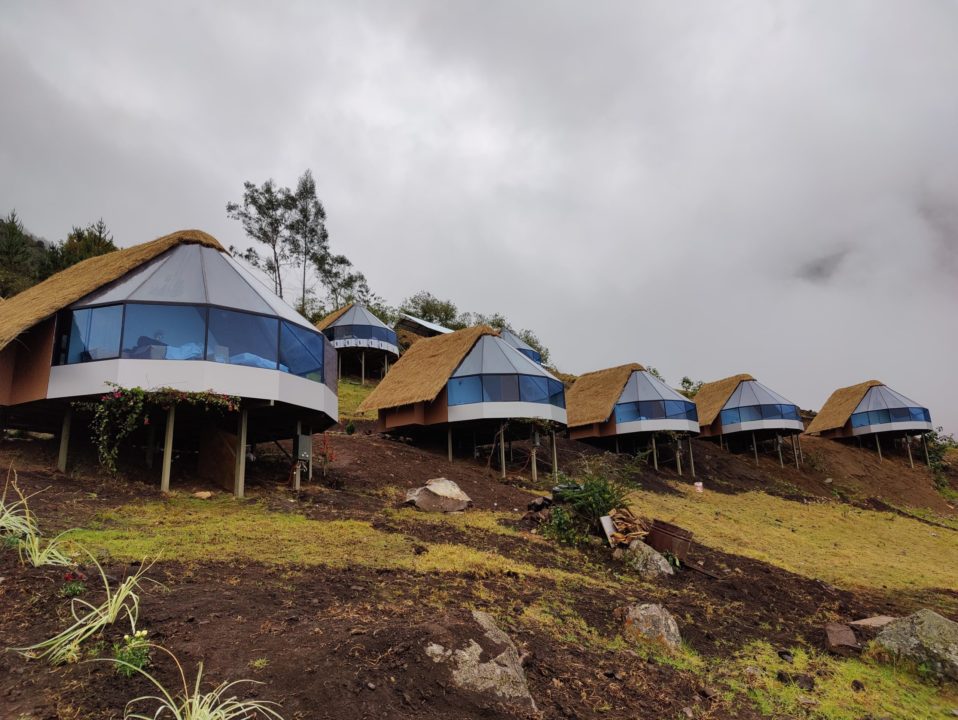
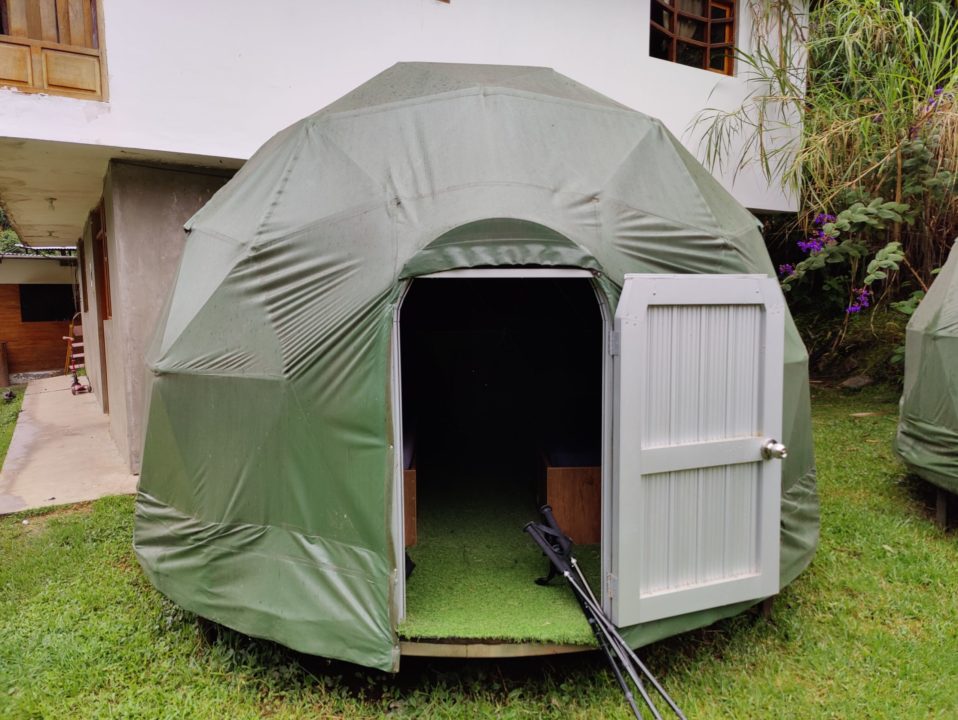
Standards may not match those of Europe, but most hotels are clean and well-maintained.
Sanitary Facilities
- Toilet paper goes in the trash, not the toilet.The sanitary systems cannot handle the waste.
- Make sure to bring your own toilet paper as it may not always be available. Often you only notice when it is too late that you have none.
Hygiene
Good. As mentioned in my other blog articles, it takes some getting used to. Especially in the markets, people often have long, dirty fingernails, and the meat is left in the blazing sun. Flies crawl over some uncovered meat, and dead guinea pigs are stacked in a plastic bucket, while the fruit is placed among free-roaming dogs, on a tarp, on the ground.
Don't be discouraged! We didn't have any stomach problems, so it can't be all that bad! Just wash everything thoroughly, and you'll be fine!
Additionally, you have the option to spend a bit more money and achieve a higher level of hygiene!
Altitude
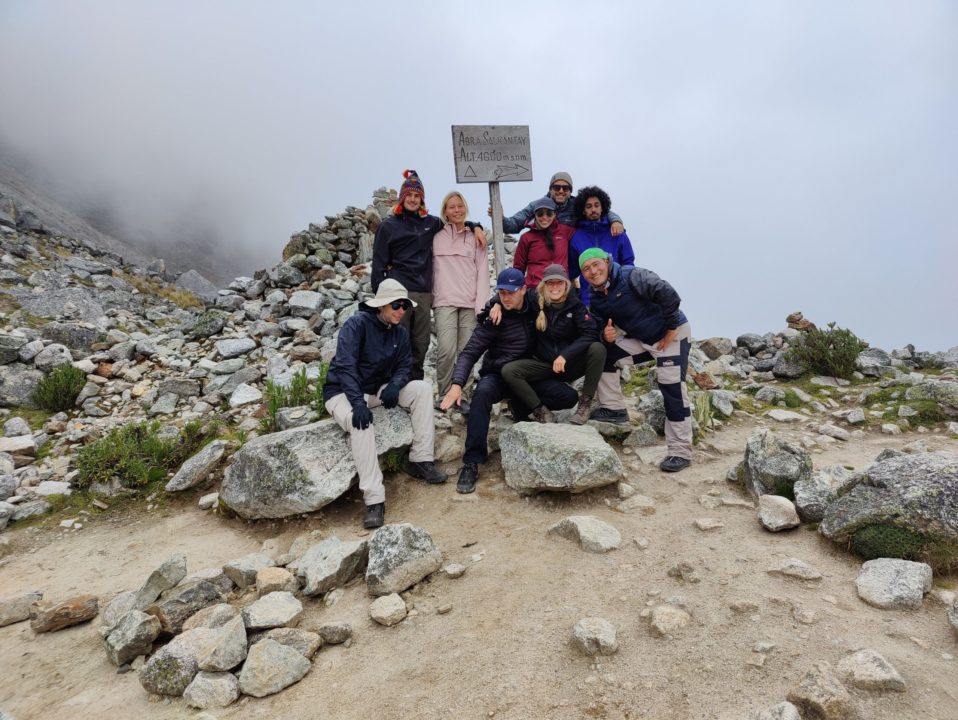
Keep in mind the extreme differences in altitude between places. Altitude sickness is not uncommon (dizziness, headaches…), so prepare yourself before your trip!
Safety
Peru is one of the safest countries in South America! Of course, you should still keep an eye on your belongings, but that's a general rule anywhere in the world.
Travel insurance for Peru
For longer trips there are international health insurance plans that can be cancelled monthly.
Advertising link. If you book through it, I receive a commission; the price stays the same for you.
The Police
In the city, the police are often overtaken by cars without any reaction. In Germany, you would have been stopped 10 times already. It's a different world. Definitely!
The police even run red lights...
Currency
The currency here is the Peruvian Sol.
1 Euro is approximately 4.5 Sol.
“Life is too short for ‘someday’.”
Janet Dannehl
Traffic
"Insane" is the right word, I think! Red lights are often ignored. Honking is constant. The cars drive very closely and all look quite damaged. There are many road damages, and people don't often wear seatbelts here. We prefer to avoid renting a car. Driving yourself is definitely risky.
Transportation Options
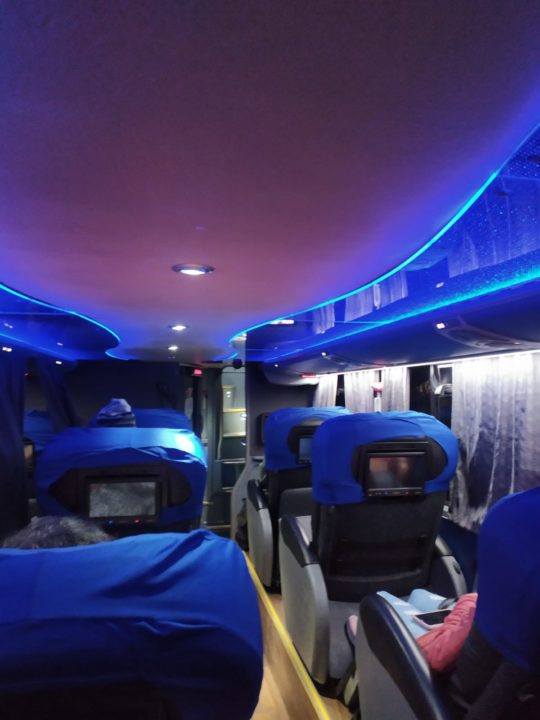
Of course, you can also take the bus here, but it's usually overcrowded. It's best to use UBER, as you can get from A to B relatively safely and at a reasonable price. However, be prepared to ride without a seatbelt here too... Don't just hop into any random taxi!
Conclusion
Peru is definitely a country that I would recommend to everyone. It's especially great:
- if you love nature
- enjoy hiking
- love to indulge in local cuisine
- want to live affordably
- want to experience a new culture
- and want to immerse yourself in a completely different world.
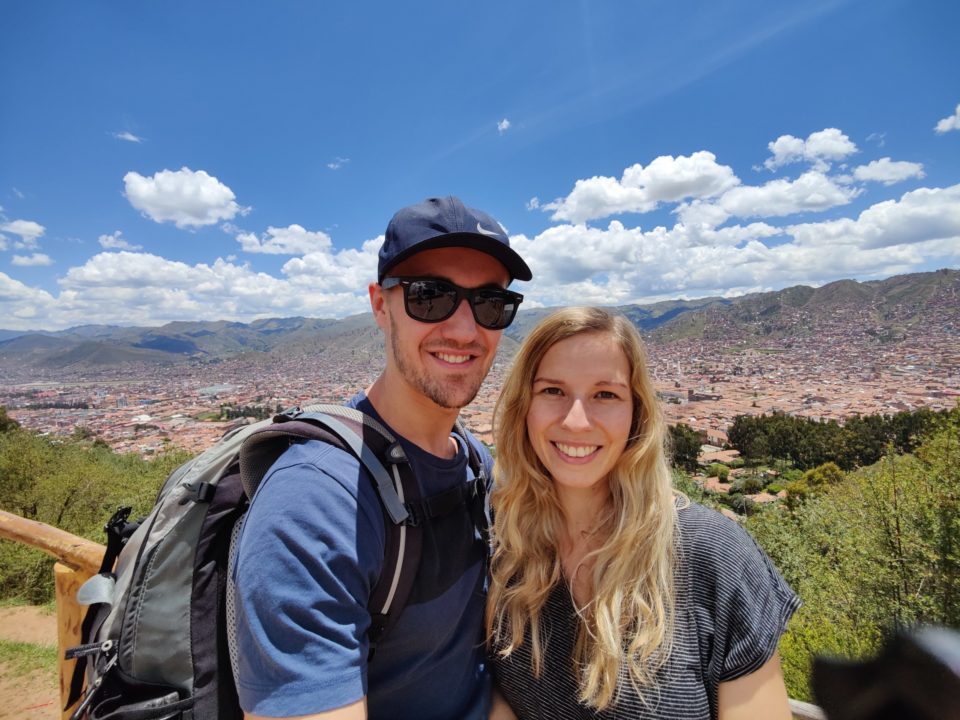
Peru route and travel time between Lima and Machu Picchu
Three to four weeks is a sensible timeframe for a Peru route that includes the most important stops. One possible itinerary is Máncora, Huaraz, Lima, Huacachina, Cusco, Machu Picchu, and the Salkantay Trek. Those focusing on the south can plan more compactly: three to four days for Lima and... Paracas, Five days for Cusco and the Sacred Valley, five days for the Salkantay Trek including Machu Picchu, and optionally two days for Rainbow Mountain. Good to know: Three weeks allows for a good in-depth experience, while with two weeks, priorities need to be set.
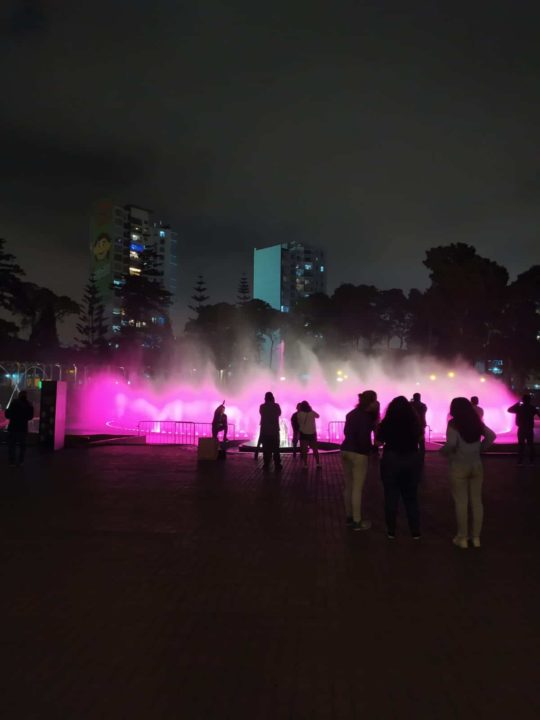
Tip: Plan at least three days for Lima. The bus from Lima to Cusco takes 21 hours with Cruz del Sur or Oltursa; alternatively, there is a direct flight. Cusco then serves as the base for exploring Machu Picchu, Rainbow Mountain, and the Sacred Valley. The Sacred Valley lies between Cusco and Machu Picchu and is well worth a full day trip. Possible stops include Pisac, Ollantaytambo, Chinchero, Moray, and the Maras Salt Flats.
Peru travel tips for Cusco and the Sacred Valley
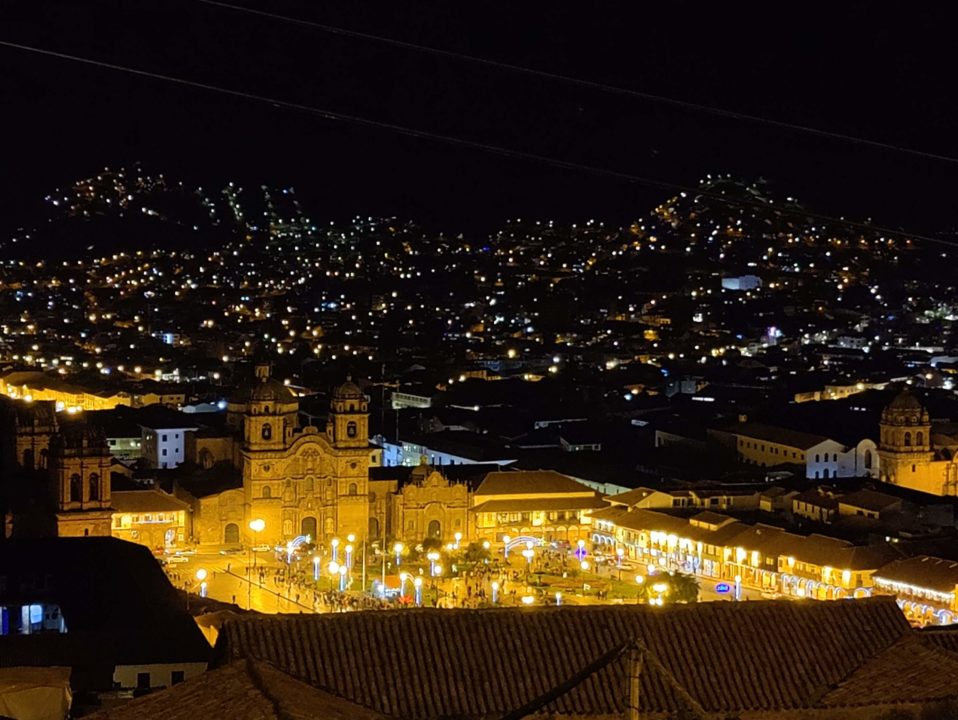
Cusco is situated at an altitude of 3,400 meters. Tip: Take it easy for the first two days, drink plenty of water, limit alcohol consumption, and avoid strenuous hikes with significant elevation gain. Within the city, you'll find Sacsayhuamán, Qorikancha, the San Pedro Market, the Plaza de Armas, and the Barrio de San Blas. Sacsayhuamán is located above the city and can be reached in 20 minutes on foot or by taxi.
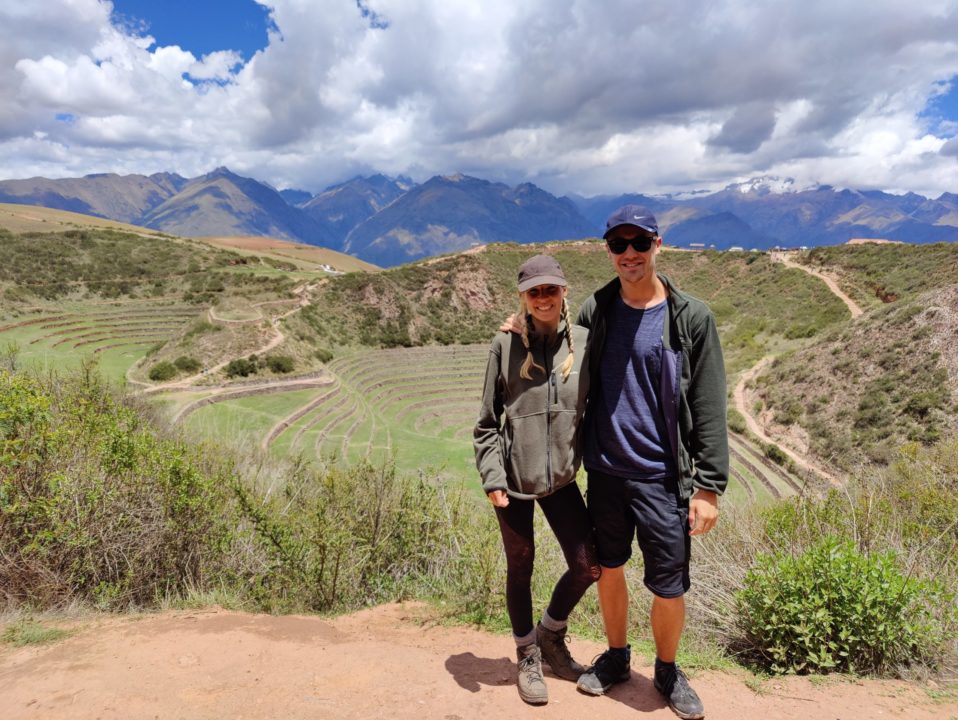
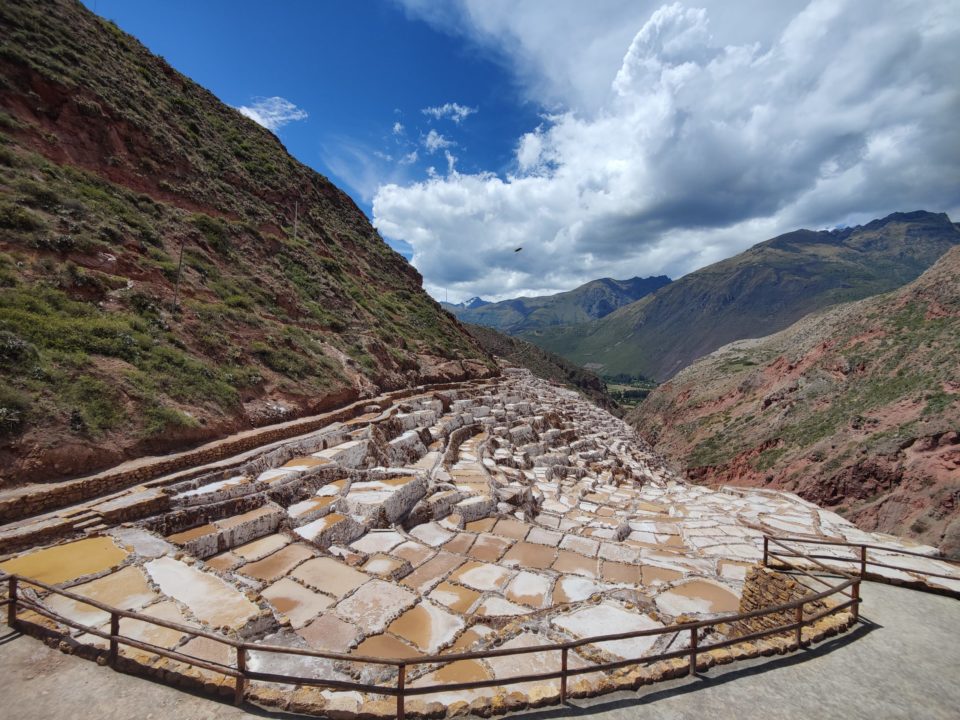
The Sacred Valley can be explored on an organized day trip or by collectivo (shared taxi). Ollantaytambo is not only an Inca town with terraced gardens, but also the departure point for trains to Aguas Calientes. Pisac combines an Inca site above the village with a market held on Tuesdays, Thursdays, and Sundays. Chinchero offers textile weaving cooperatives and Inca terraces, Moray features circular terraced amphitheaters, and Maras boasts working salt pans.
Machu Picchu travel tips: Getting there and time window
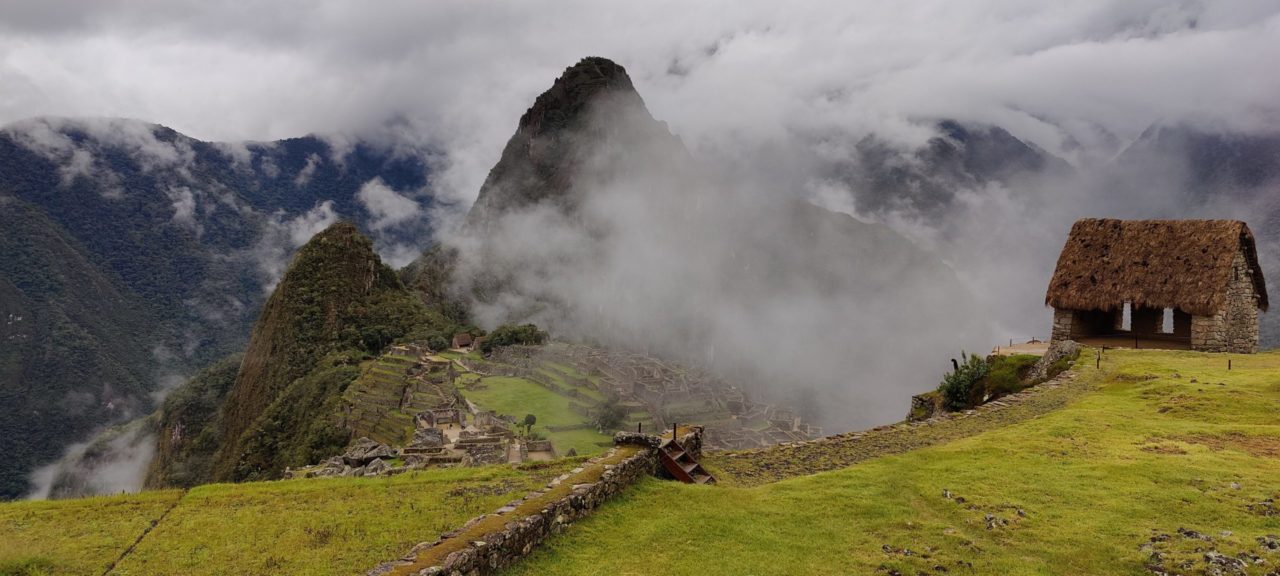
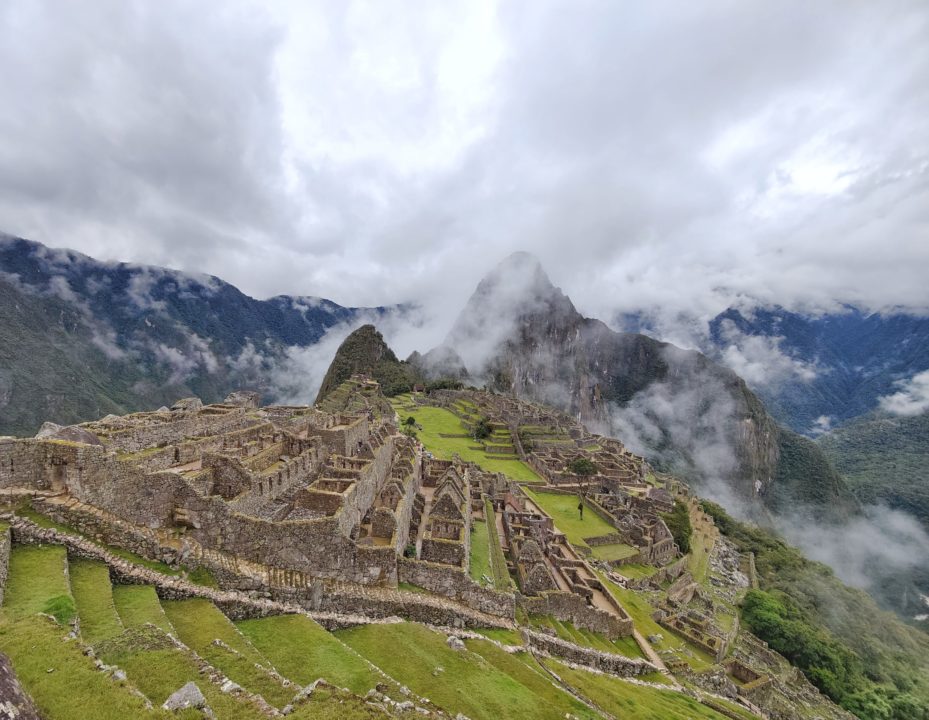
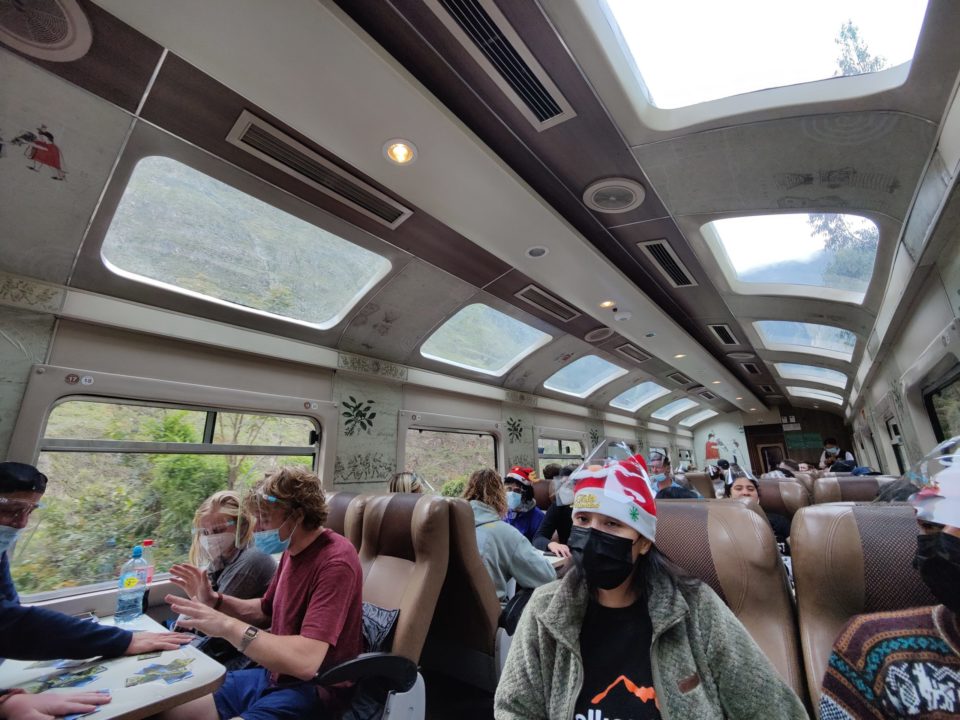
Machu Picchu is situated at an altitude of 2,430 meters. The most convenient route is via Ollantaytambo: The train journey to Aguas Calientes takes 1 hour and 30 minutes. From Aguas Calientes, a bus runs to the citadel; alternatively, the hike takes 1 hour and 30 minutes. The entrance ticket is tied to a specific entry time, approximately 6:00, 7:00, or 8:00 AM. For sunrise, the first train from Aguas Calientes departs around 5:30 AM; the gates open at 6:00 AM.
Additional options include Machu Picchu Mountain, Huayna Picchu, and the Sun Gate (Inti Punku). An extra ticket is required for Machu Picchu Mountain; the climb takes 1 hour and 30 minutes. Huayna Picchu is a steep, popular climb and should be booked well in advance. The Sun Gate is part of the classic Inca Trail route and does not require an extra ticket. Tip: Book your Machu Picchu entrance ticket at least three months in advance.
Rainbow Mountain from Cusco: Altitude and practical travel tips
Vinicunca, the Rainbow Mountain, is usually visited as a day trip from Cusco. The bus ride there takes about three hours; guided tours usually depart around 4:00 AM. Alternatively, you can travel independently by colectivo (shared taxi) from Cusco to Cusipata and then on to Chillca. From the park entrance at approximately 4,900 meters, it's about 3 kilometers and an elevation gain of roughly 300 meters to the viewpoint. Well-acclimated hikers need 1 to 1.5 hours for this hike.
- Tip: Be at the starting point by 7:00 am, because clouds often roll in around noon and more visitors arrive.
- For high altitudes, pack warm clothing, a windbreaker, a hat and gloves.
- You should spend at least two to three days in Cusco before the trip.
- Palccoyo is located at 4,900 meters and is described as a less well-known, more easily accessible alternative with similar color layers.
Peru Costs: Guidelines for Trip Planning
The following costs are guidelines and not currently verified prices. They are subject to change and should be checked before traveling. The Salkantay figure is from 2026; no price information is provided for the other figures. A guideline for three weeks in Peru: a backpacker budget including flights of approximately €1,800 to €2,200, and for more comfort, €3,500 to €5,000.
- As a guideline: The train from Ollantaytambo to Aguas Calientes costs from about 25 euros one way; the bus from Aguas Calientes costs 12 US dollars round trip.
- As a guide, a guided Rainbow Mountain excursion from Cusco costs approximately US$25 to US$35 including transport and guide, sometimes also lunch.
- Guideline: Collectivos in the Sacred Valley cost between 2 and 5 soles per leg.
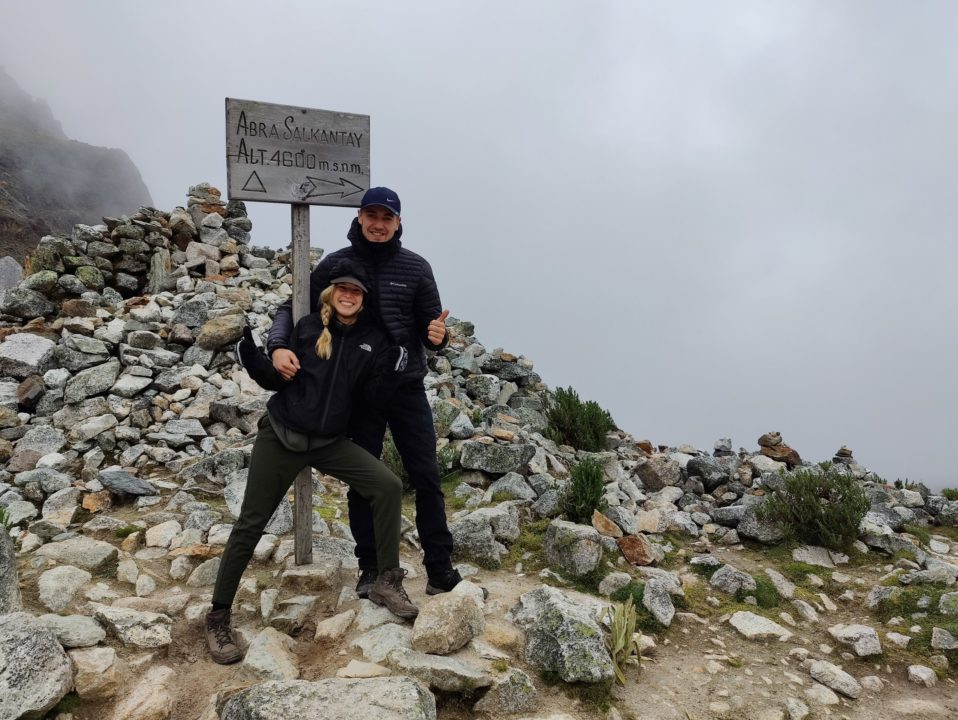
- As of 2026: The Salkantay Trek costs between 200 and 280 euros with an agency; for the Inca Trail it is between 500 and 700 euros.
Peru Altitude and Health around Cusco
Good to know: Headaches, fatigue, dizziness, nausea, and sleep problems are mild symptoms of altitude sickness. Persistent headaches despite ibuprofen, vomiting, or coordination problems are serious signs; high-altitude pulmonary edema or high-altitude cerebral edema is a medical emergency requiring immediate descent and medical attention. To prevent altitude sickness, rest and plenty of water on the first day in Cusco, and avoid excursions to higher elevations for the first 48 hours. Alcohol can worsen dehydration and symptoms during the first few days.
I create in-depth content for Tourism Boards about Peru, its routes, and travel stories. More information about editorial productions and collaborations can be found on the page for collaboration.
Relevant travel reports
Frequently Asked Questions
How expensive is food in Peru?
Very cheap in local restaurants: 1 to 2 euros for chaufa with rice, vegetables, chicken and egg, 2 to 3 euros for soups, 3 euros for a burger meal with fries and a drink, 4 euros for higher-quality meat dishes. In tourist restaurants, you pay two to three times as much.
What currency is used in Peru?
The Peruvian sol. One euro is worth approximately 4,5 soles.
How do I get safely from A to B?
Uber is your best bet: relatively safe and cheap. Buses are usually overcrowded, and you shouldn't get into a random taxi. We're happy to skip the rental car, driving yourself is risky here.
What should I know about the toilets?
Toilet paper goes in the bin, not in the bowl, the plumbing systems can't handle the waste. And bring your own paper, as there often isn't any.
When is the rainy season in Peru?
We were there in December during the rainy season. We barely noticed it: an occasional 15-minute shower or a rainy night.
How much time should I allow for a trip to Peru?
Three to four weeks makes sense for the main stops. Three weeks lets you explore in some depth; with two weeks, you'll need to set priorities. In the south, he allows three to four days for Lima and Paracas, five days for Cusco and the Sacred Valley and five days for the Salkantay Trek, including Machu Picchu.
How do I get from Lima to Cusco?
The bus takes 21 hours with Cruz del Sur or Oltursa. Alternatively, there's a direct flight.
Ready for your next campaign?
For the past eight years, I've worked with tourism boards, hotels, and premium brands, authentically, personally, and effectively. Combined with Max Haase, we reach over 6 million people.


