

Cuba Travel Report — Havana, Trinidad & Caribbean Beaches
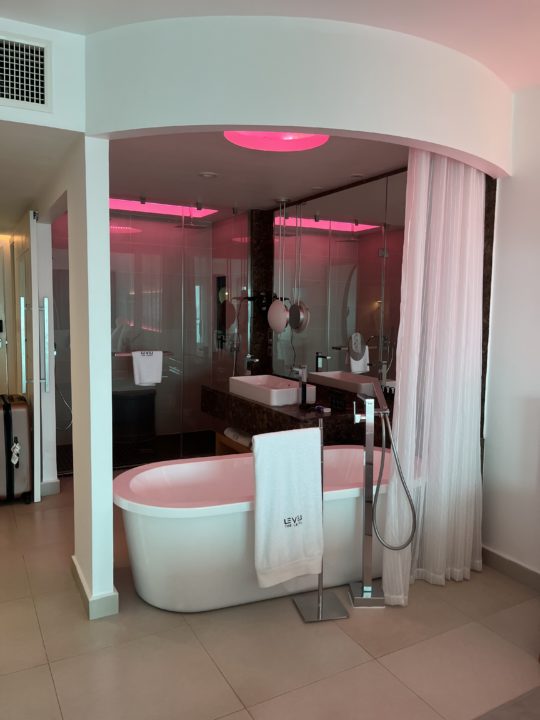
- Hotel Nacional de Cuba, built 1930 — with a cabaret show in the house
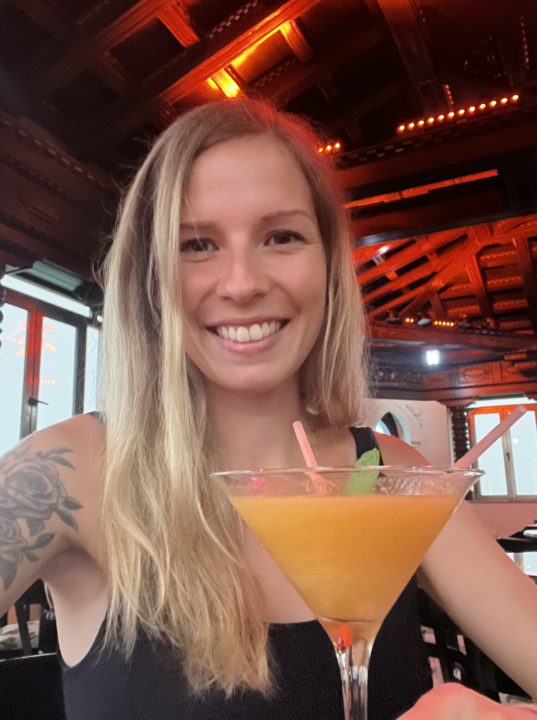
- Daiquiri recipe from the Floridita: 5 cl rum, 3 cl lime juice, 2 cl sugar syrup, 6–8 ice cubes
- A cabaret show lasts approximately 2 hours
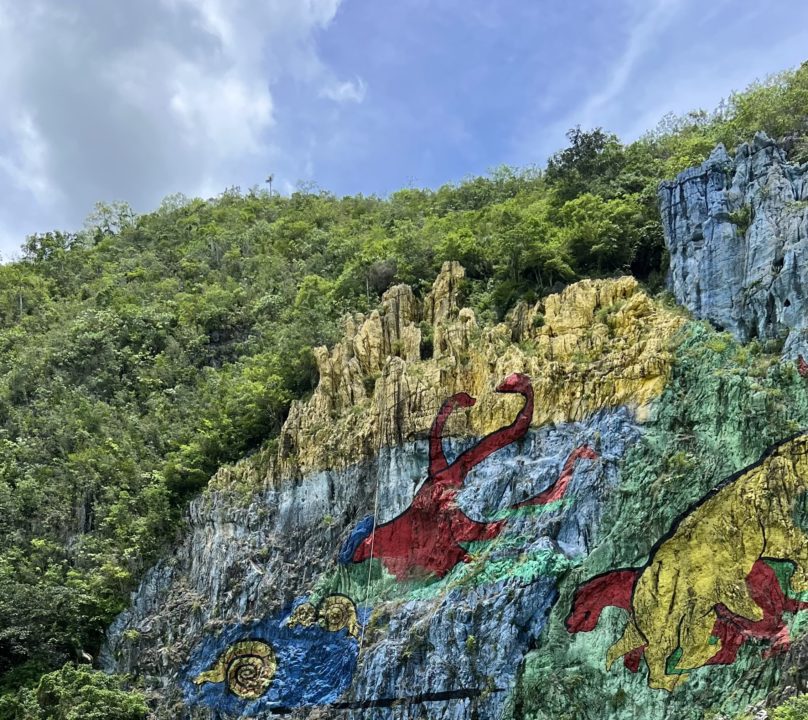
- Mural of Prehistory: 4 km west from Viñales, one of the world's largest open-air paintings
- Xanadu Mansion by 1928 with beach views and guided tour
Contents of this post10 chapters
- 1First Stop: Havana
- 2Conclusion:
- 3Next Stop: Morocco 🇲🇦
- 4Read more
- 5Cuba travelogue: Route between cities and the Caribbean
- 6Havana travel tips for the old town, Malecón and classic cars
- 7Trinidad travel report: Old town, music and Caribbean beach
- 8Cuba travel tips on money, accommodation and entry
- 9Relevant travel reports
- 10Frequently Asked Questions
First Stop: Havana

























Tours and activities: Havana
Compare and book tours, admission tickets and excursions in advance with free cancellation (depending on the offer).
Advertising link. If you book through it, I receive a commission; the price stays the same for you.
Conclusion:
Next Stop: Morocco 🇲🇦
Read more
Cuba travelogue: Route between cities and the Caribbean
Good to know: A round trip of 14 to 21 days is ideal. The Cuba route begins in Havana, continues to Viñales and Trinidad, and ends in Varadero. Havana, Viñales, and Trinidad can be comfortably combined in two weeks. With three weeks, Cienfuegos, the Cayos (islands of untouched islands), and a few days on the beach in Varadero can be added. This way, the trip connects the capital, the Tobacco Valley, a colonial city, and a Caribbean beach, without reducing each stop to a brief stopover.
Cuba route including Havana, Viñales and Trinidad
Almost every tour starts in Havana at José Martí Airport. From there, Viñales is two to three hours further west. Tip: Plan at least two nights for the valley, as one night is not enough. Trinidad is located in the center of the island and deserves at least two full days, ideally three. The first day can be dedicated to the old town and the evening music, the second to the Valle de los Ingenios (Valley of the Engineers). Playa Ancón is a possible addition for the third day. This beach on Cuba's southern coast is a 15-minute taxi ride from the city center.
Those with 21 days to spare can extend this itinerary to include Cienfuegos, the Cayos, and Varadero. The Viazul bus connects these major destinations. Tickets can be booked online or at the terminal; popular routes sell out quickly during peak season. Colectivo taxis offer a faster, more flexible alternative. Private rental cars, on the other hand, are rarely available, and gasoline can be scarce. For day trips from Havana, private drivers are an option, but the price should be agreed upon in advance.
Havana travel tips for the old town, Malecón and classic cars
Discover Havana on foot in this Cuba travelogue
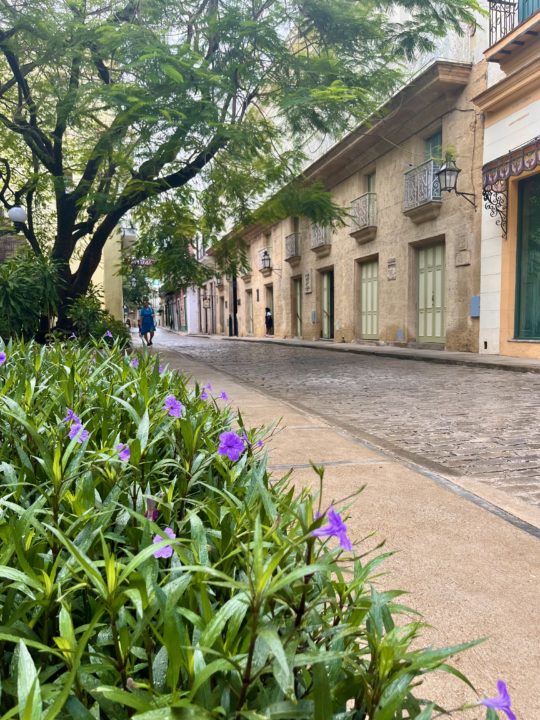
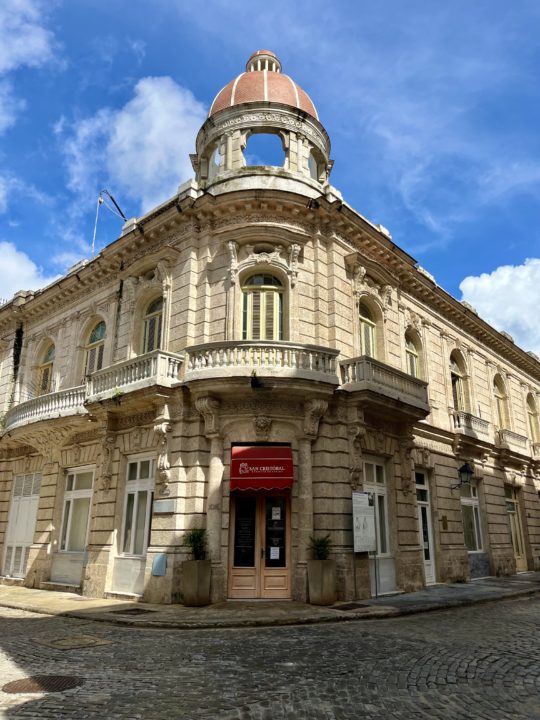
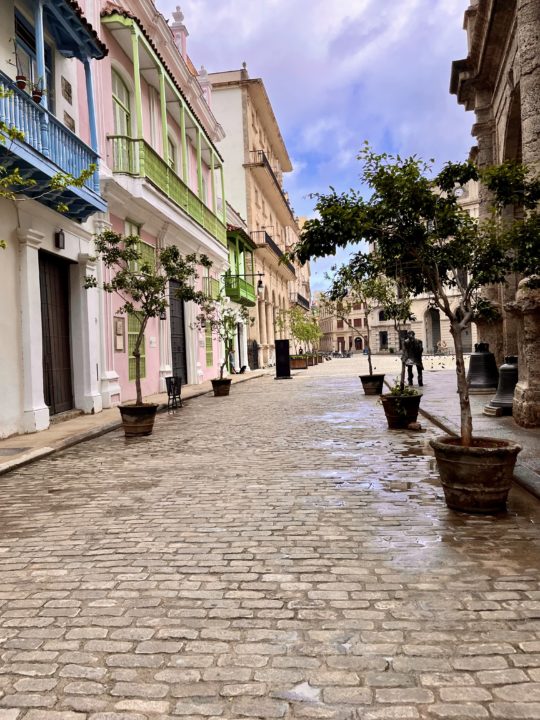
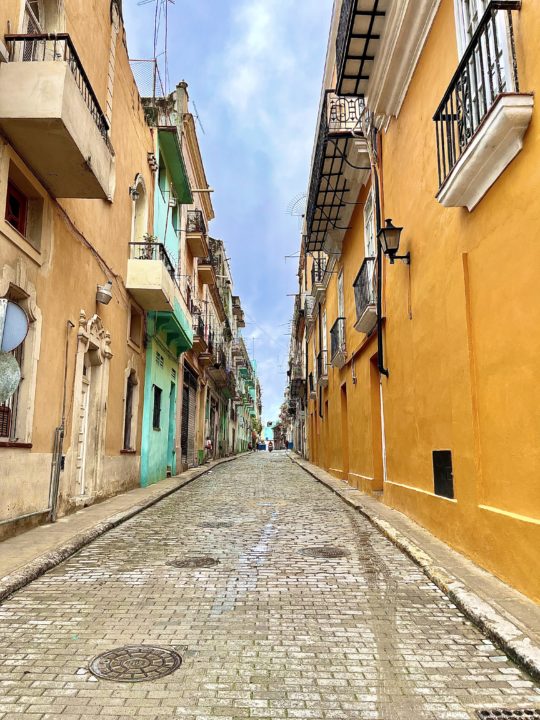
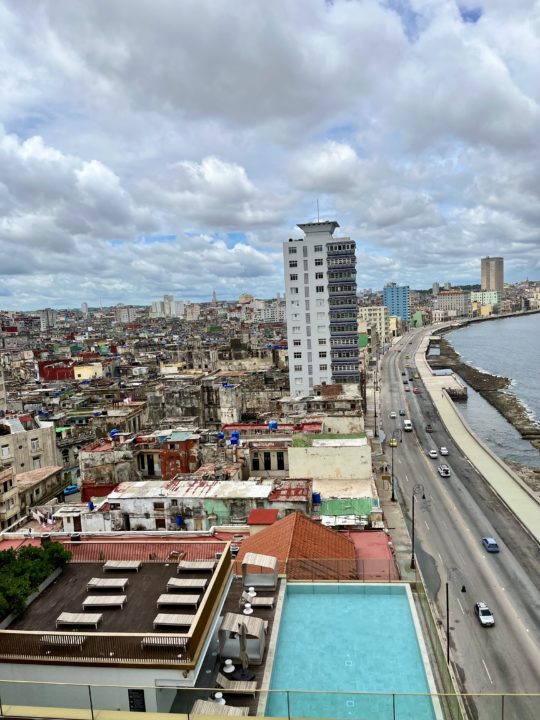
Old Havana (La Habana Vieja) is a UNESCO World Heritage Site. Pastel-colored colonial houses, cobbled streets, and salsa music characterize the old town. Tip: Set aside a whole day for strolling around. The Malecón complements this walk along the Atlantic coast: This waterfront promenade stretches for eight kilometers. During the day, fishermen cast their lines there, and in the evenings, musicians and couples gather along the wall. At sunset, the promenade becomes a destination that requires no set itinerary.
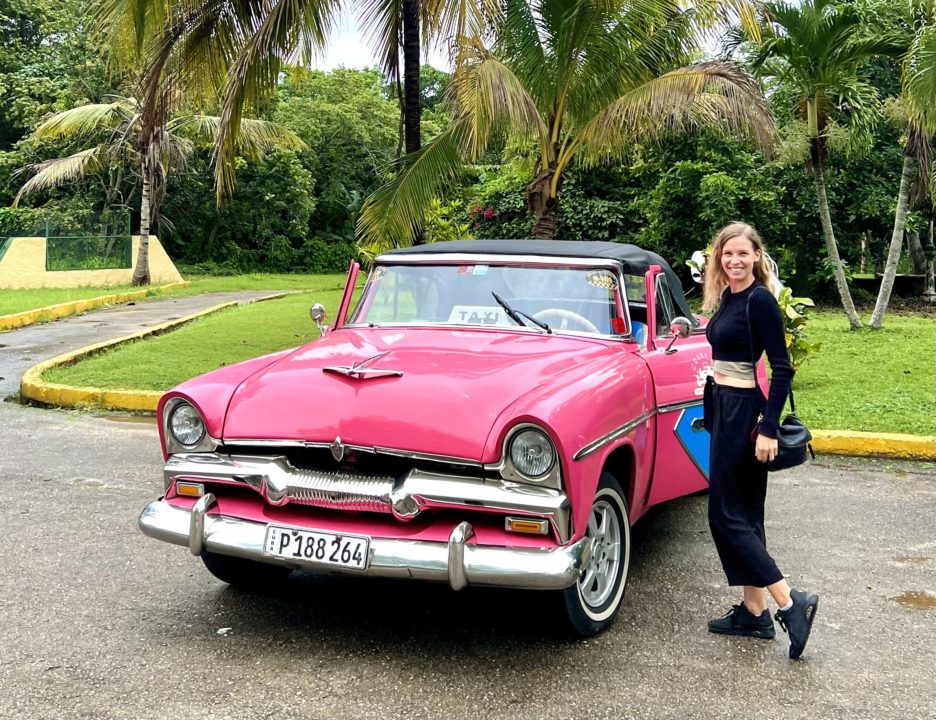
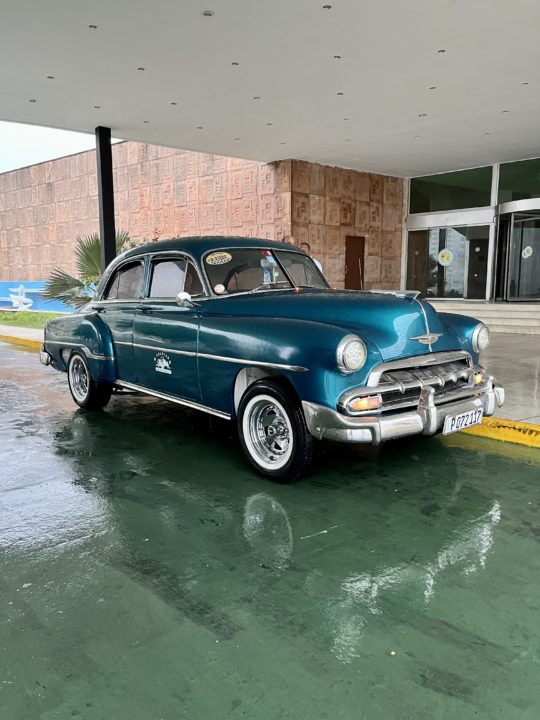
The American classic cars date back to the 1950s. For over 60 years, Cubans have been repairing Chevrolets, Buicks, and Fords themselves, as the US embargo blocked the import of new vehicles for decades. These vintage cars are therefore not only an attraction but also serve as a form of public transportation. They are a common sight on Havana's streets and simultaneously stand as rolling witnesses to history.
Trinidad travel report: Old town, music and Caribbean beach
Trinidad's UNESCO-protected Old Town is exceptionally well-preserved. Colorful houses, cobblestone streets, and church steeples against a mountain backdrop define the cityscape. The distances remain manageable, as everything is within walking distance. Despite tourism, the city is not merely a backdrop. The Plaza Mayor is the heart of city life; in the evenings, it comes alive with music, dancing, and laughter.
Trinidad travel tips for three days
The Casa de la Música is located on the steps leading up to the upper town. Salsa music is performed there outdoors, free of charge. Outside the old town, a day trip to the Valle de los Ingenios, the Sugar Cane Valley, reveals how Trinidad acquired its colonial wealth. There are two ways to get there: a private driver or the old tourist train. This makes the second day of your trip a perfect blend of the colonial city and its rich history.
Playa Ancón adds a perfect beach day to Trinidad: white sand, turquoise water, and no mass tourism await. The beach is among the most beautiful on Cuba's southern coast. This allows you to combine the old town, evening music, and the sugar cane valley with a Caribbean experience without leaving the Trinidad region.
Cuba travel tips on money, accommodation and entry
Plan your money reliably for your trip to Cuba
The national currency is the Cuban Peso, abbreviated CUP. Credit cards from US banks are not accepted, and European cards often do not work reliably at ATMs. Tip: Bring cash in euros or US dollars and exchange it for CUP locally, exclusively at official CADECA exchange offices or hotels. Street solicitations carry a risk of fraud. A sufficient cash reserve is important because card payments and ATMs are not universally reliable.
Electricity and internet access also require preparation. Planned power outages, called Apagones, can last eight to twelve hours. During these outages, restaurants sometimes cook on gas; casas particulares often have generators or at least candles and fans. Internet access is available via government-run ETECSA hotspots in public squares. A NAUTA card from an ETECSA store is required for this, and the connection can be interrupted frequently. Travelers should therefore save important maps and information offline beforehand.
Accommodation and entry requirements for the Cuba tour
A casa particular is a state-licensed room rented out by private individuals in their own homes. Often, only one or two rooms are available. Breakfast is homemade, hosts can offer local advice, and the income goes directly to the family. Tip for Viñales: This Cuban form of bed and breakfast is a more personal alternative to state-run hotels.
Good to know: German citizens are eligible for a tourist card, the Tarjeta del Turista, instead of a traditional visa. It can be booked with your flight or applied for in advance at the Cuban embassy. It is valid for 30 days and can be extended once to 60 days at the immigration office (Inmigración) upon arrival. Additionally, written proof of health insurance is required upon entry. This can be checked at Havana or Varadero airport; without proof, a policy must be purchased locally. Entry and visa regulations are subject to change and should therefore be checked with the Cuban embassy before traveling.
I develop content for Tourism Boards that visually tells the story of Cuba's routes, cities, and travel experiences. More information about potential productions and collaborations can be found on the [website/platform name]. page for collaboration.
Relevant travel reports
Frequently Asked Questions
How do I mix a Daiquiri like in the Floridita?
You need 5 cl of white rum, for example Havana Club 3 Años, 3 cl of freshly squeezed lime or lemon juice, 2 cl of sugar syrup, and 6 to 8 ice cubes. We learned the preparation process at the Florida Restaurant in Havana.
What should I see in Havana?
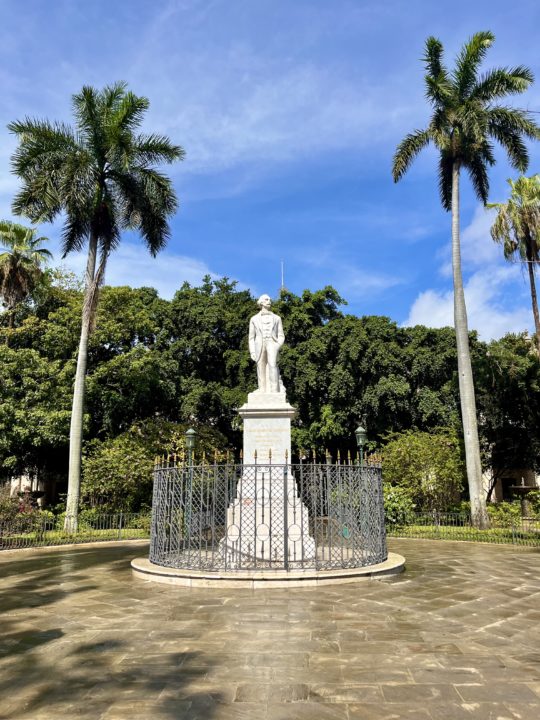
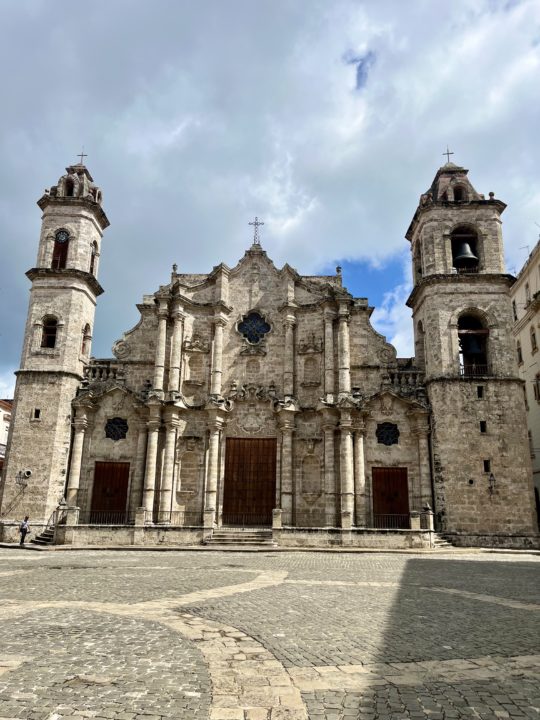
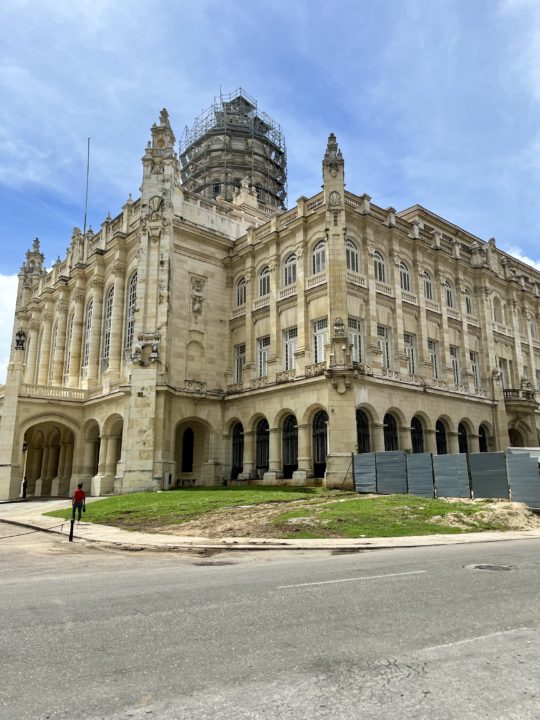
The Plaza de Armas, the Malecón waterfront, the Capitol, the museums, the Castillo de los Tres Reyes del Morro, the Plaza de la Catedral, the Plaza Vieja, the Plaza de San Francisco de Asís and the John Lennon Park.
Is a cabaret show worth it?
For me, the shows are among the absolute highlights of Cuba. We saw one at the Hotel Nacional and another at the open-air Tropicana revue theater. Each show lasts about two hours and features dancers, singers, acrobats, and outlandish costumes.
What are some worthwhile places to visit around Viñales?
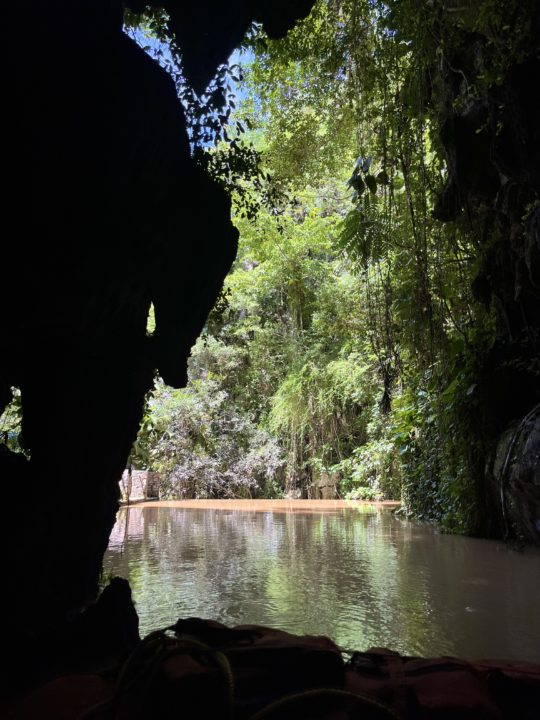
The Mural of Prehistory, 4 km west of the city on the wall of the Pita-Mogote in the Sierra de los Órganos — we got there on horseback. We also enjoyed the view from the Mirador los Jazmines and a short boat trip in the Cueva del Indio cave.
What currency do I need in Cuba?
The national currency is the Cuban Peso (CUP). Tip: Bring cash in euros or US dollars and exchange it locally, exclusively at official CADECA exchange offices or hotels. Cards are not accepted everywhere.
Do I need a visa for Cuba?
German citizens receive a tourist card (Tarjeta del Turista) instead of a traditional visa. It is valid for 30 days and can be extended once locally to 60 days. Proof of health insurance is also required. These regulations are subject to change, so please check with the Cuban embassy before traveling.
“Life is too short for ‘someday’.”
Janet Dannehl
Ready for your next campaign?
For the past eight years, I've worked with tourism boards, hotels, and premium brands—authentically, personally, and effectively. Combined with Max Haase, we reach over 6 million people.
 German
  English