
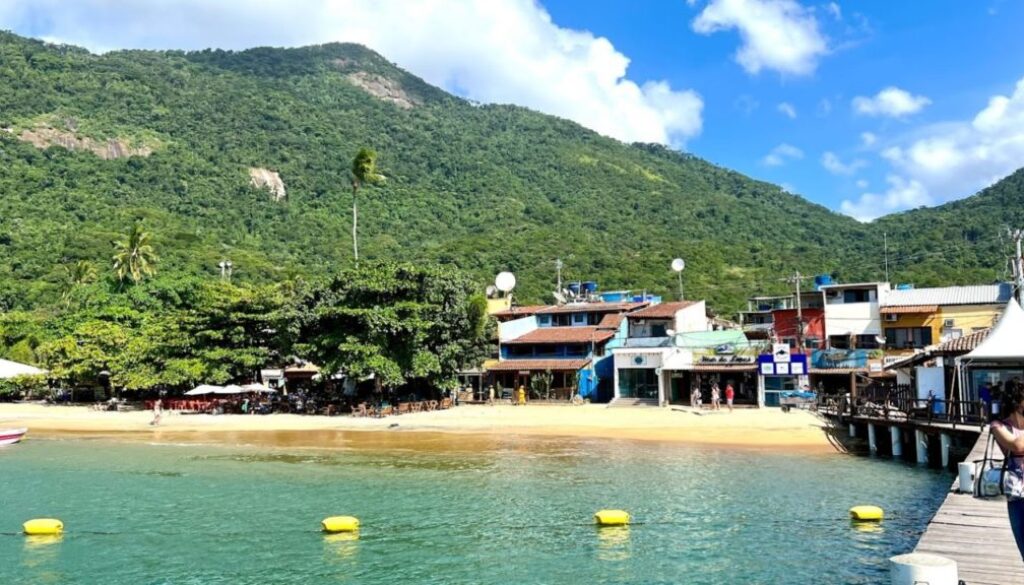
Ilha Grande: Beaches, hikes & tips for the dream island
- Ilha Grande is located off the coast of the state of Rio de Janeiro and is car-free.
- The crossing from Angra dos Reis by speedboat takes about 30 minutes.
- Highlights include Lopes Mendes, Lagoa Azul, snorkeling tours and hikes in the rainforest.
- The main town and starting point for almost everything is Vila do Abraão.
- Plan for at least two nights, preferably three to four, and take some cash in Reais with you, as ATMs are rare.
Contents of this post8 chapters
Why is Ilha Grande worth visiting?
Ilha Grande is one of Brazil's most beautiful islands, and not just because of its beaches. Located in the bay of Angra dos Reis, it belongs to the state of Rio de Janeiro and is car-free. Instead of traffic, you'll hear birdsong, and instead of skyscrapers, you'll see lush rainforest stretching right down to the turquoise waters. After the hustle and bustle of Rio, it's a stark contrast.
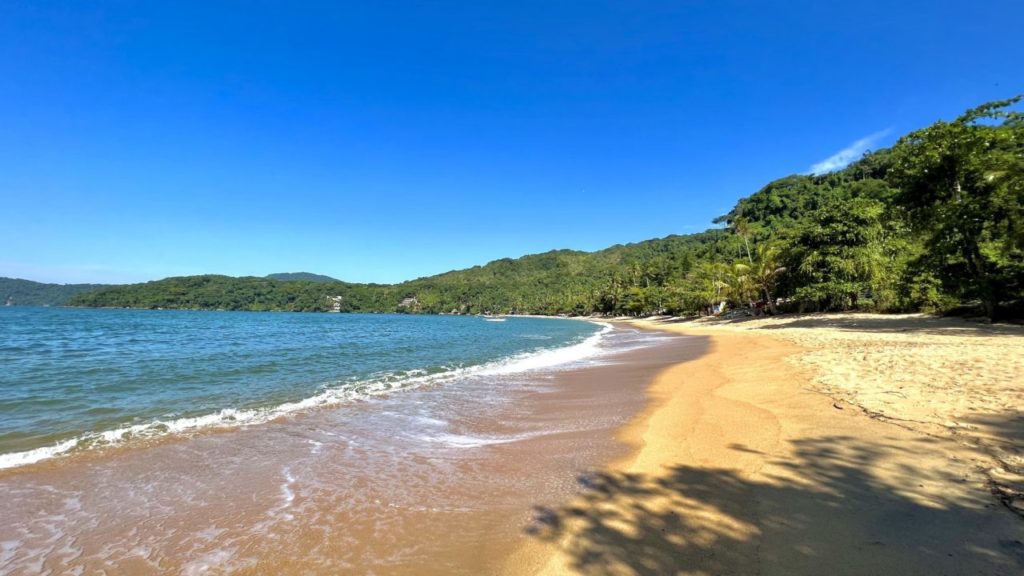
After Carnival in Rio, I went on an eight-day road trip along the Costa Verde, and Ilha Grande was our first stop. The island was one of the absolute highlights of the trip and is a must-see in Brazil for me. When we arrived, we were speechless: a golden beach, crystal-clear water, and the rainforest in the background. The best part was the deserted beaches—just peace and nature.
Vila do Abraão as a starting point
Almost all boats dock in Vila do Abraão, the island's main town. Here you'll find restaurants, pousadas (guesthouses), small shops, and most of the accommodations. In the evening, we strolled through the village: there are shops and restaurants on every corner, and you can find clothes at quite reasonable prices. Tip: Pousadas further up the hillside are a bit away from the main hustle and bustle and are quieter in the evenings.
Our first accommodation had a small balcony with a sea view. Relaxing in a hammock, listening to the birdsong, and enjoying a hearty breakfast – I thought it was all wonderful.

Beaches on Ilha Grande
Ilha Grande boasts over a hundred beaches, many of which are only accessible on foot or by boat. The most famous is Lopes Mendes: roughly three kilometers of white sand, clear water, and no development. You can reach it on a hike through the Atlantic Rainforest, which takes about two to three hours, or by water taxi. A popular combination is to take a boat there and hike back. For the hike, pack plenty of water, sunscreen, and sturdy shoes.
Another destination is Lagoa Azul, a shallow lagoon accessible only by water. Many pousadas arrange boat trips there, often including snorkeling stops in clear bays.
What can you do on Ilha Grande?
Even without booked tours, there's plenty to experience on Ilha Grande. The island is a destination for beach days, snorkeling, and hiking, and all of these activities can be easily combined because the distances are short.
Snorkeling: discovering the underwater world
Snorkeling is a must-do for me on Ilha Grande. With water like this, it's practically obligatory, and the underwater world was incredible: colorful fish and turtles. We booked a five-hour snorkeling tour and paid €20 per person. I thought that was perfectly reasonable. Prices change, so ask at your accommodation for current offers and providers.
Hiking in the rainforest
We went on a hike through the rainforest and even saw little monkeys. There are several routes for hikers on the island. The Circuito do Abraão is an easy circular trail that passes the ruins of the Lazareto, a former quarantine station from the 19th century. Those with more stamina can climb Pico do Papagaio. The ascent takes several hours round trip and rewards you with a view over the entire bay. Tip: Start early, take plenty of water, and avoid hiking in the rain, as the paths become slippery. It's best to hire a local guide for Pico do Papagaio. Ask at your accommodation for recommendations.
Large parts of the island are protected nature reserves, including the Ilha Grande State Park, which is managed by the state environmental agency. Therefore, please stay on the marked trails and take your trash with you.
How do you get to Ilha Grande?
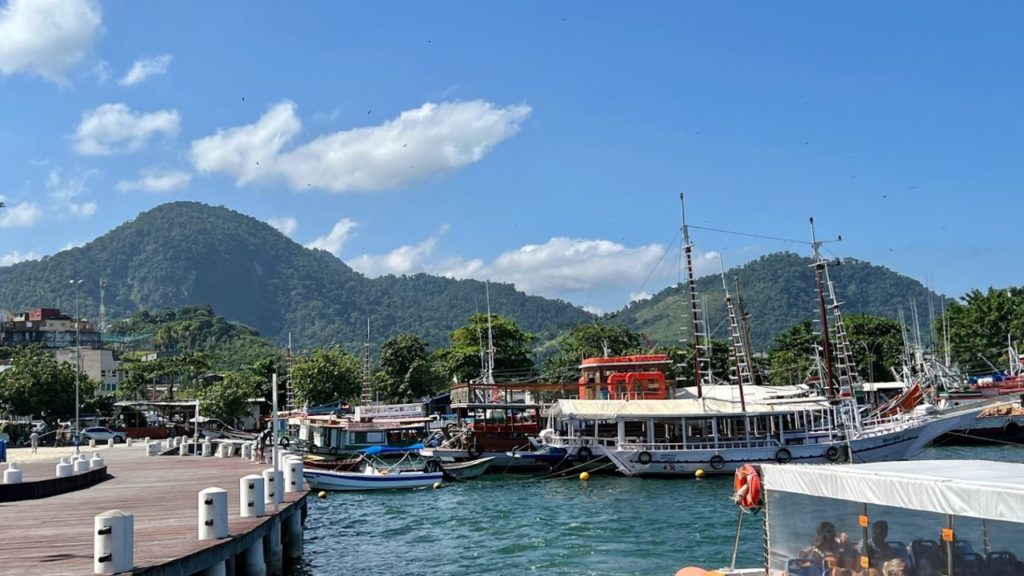
The usual route is via Angra dos Reis on the mainland. It's about 170 kilometers from Rio de Janeiro, and takes approximately three hours by rental car or bus. From Angra dos Reis, you take a boat to Vila do Abraão. We took the speedboat; the crossing took half an hour in total.
Ferry or speedboat?
There are two options: The public ferry from Angra runs only once a day (at 3:30 pm on weekdays, at 1:30 pm on weekends and holidays), takes up to 110 minutes, and costs only about €3.50 (R$ 20.50). Speedboats and flexboats run several times a day, take 20 to 40 minutes, and usually cost between R$ 70 and 120 each way (about €12 to €21). Timetables and prices are subject to change, so check with the operators shortly before your trip. Tip: Take an early morning speedboat to have more time to explore the island.
Since June 2026, a tourist tax of R$ 50 (approximately €9, valid for 30 days) applies to Angra dos Reis, including Ilha Grande. Those embarking in another municipality and not providing proof of at least two nights' accommodation in Angra will be charged R$ 100. Exemptions include, among others, people aged 60 and over, and children up to 12 years old. Registration is done online via "Viva Angra"; please check the current regulations before traveling.
Your rental car will remain in Angra dos Reis, as there are no cars on the island itself. Before your arrival, ask at a parking garage near the port or at your pousada where you can safely park the car.
How much does Ilha Grande cost?
Eating out on Ilha Grande is rather expensive: a good dinner costs around 20 to 30 euros per plate. Supermarket prices are roughly the same as on the mainland, but the selection is smaller. Tours, on the other hand, are inexpensive, as our snorkeling trip for 20 euros demonstrates.
Accommodation options range from basic hostel beds to boutique pousadas costing over €100 per night. Tip: ATMs are scarce on the island. Therefore, bring enough cash in reais for the first few days, spread it out among several places, and pay by card whenever possible. For boat tickets, excursions, and minor expenses, budget approximately €100 to €150 in cash for several days.
Best time to travel and planning for Ilha Grande
Between May and September, it's usually drier, with temperatures between about 18 and 26 degrees Celsius. This is a good time for hiking and boat trips, and it's less crowded. From October to April, you can expect short, heavy showers, higher humidity, and more heat. Christmas, New Year's, and Carnival are peak season, so book your accommodation early. Also, allow an extra day in case a rainy day makes the beach unusable.
How many days should you plan for?
Plan for at least two nights, but three or four are even better. This gives you time for a boat trip, a day at the beach, and a hike without feeling rushed. Ilha Grande is a great first stop on a Costa Verde tour: After that, head back to the mainland and on to Paraty with its colonial old town, which I also found very beautiful. You can find out more in my travelogue about the Costa Verde.
What should you pack?
You need less for Ilha Grande than you think. Swimwear, sunscreen, and a water bottle are essential, along with sturdy shoes for hiking and insect repellent. Lightweight clothing is perfectly sufficient. A waterproof bag will protect your phone and money on the boats. If possible, use a reef-safe sunscreen to protect the underwater world.
Onward to Paraty
From Ilha Grande, we headed back to the mainland and on to Paraty. There, we explored the old town with its narrow streets, restaurants, boutiques, and brightly painted doors, which I found particularly captivating. In the evening, the place has a romantic feel; the golden-yellow lanterns reminded me of Faro in Portugal. On our drive, we stopped at several waterfalls. That's exactly what I love about road trips: you can stop wherever you want.
Health and safety on Ilha Grande
There are no cars on Ilha Grande itself, but you'll travel across the Brazilian mainland to get there. According to the German Federal Foreign Office, crime is generally high in Brazil, especially in large cities like Rio de Janeiro. The office lists the state of Rio de Janeiro as a high-risk area for yellow fever and recommends, among other things, a yellow fever vaccination for Brazil. Tip: Get travel health advice well in advance and remember mosquito repellent.
Current travel and safety advice from the German Federal Foreign Office regarding Brazil
For the mainland route, the German Foreign Office advises against driving at night. Keep valuables discreet. This applies in Rio as well as at any stopovers. Therefore, pay by card whenever possible and only carry enough cash for the day; leave the rest safely at your accommodation.
Read more
Frequently Asked Questions
How do I get to Ilha Grande?
Take a boat from Angra dos Reis to Vila do Abraão. We took a speedboat, and the crossing took about 30 minutes. From Rio de Janeiro to Angra dos Reis, it takes about three hours by car or bus.
How many days does one need on Ilha Grande?
Plan for at least two nights, three to four are better. This way you can combine beaches, snorkeling and a longer hike without any rush.
How much does a day on Ilha Grande cost?
Dinner costs around 20 to 30 euros per plate, and our five-hour snorkeling tour cost 20 euros per person. Accommodation is extra. Prices are subject to change, so check locally.
Are there cars on Ilha Grande?
No, the island is car-free. You get around on foot or by boat; your rental car stays on the mainland.
When is the best time to travel?
From May to September, the weather is usually drier and calmer, with temperatures between 18 and 26 degrees Celsius. From October to April, expect short, heavy showers and warmer weather. Christmas, New Year's, and Carnival are peak season.
“Life is too short for ‘someday’.”
Janet Dannehl
Ready for your next campaign?
For the past eight years, I've worked with tourism boards, hotels, and premium brands—authentically, personally, and effectively. Combined with Max Haase, we reach over 6 million people.


 German
  English